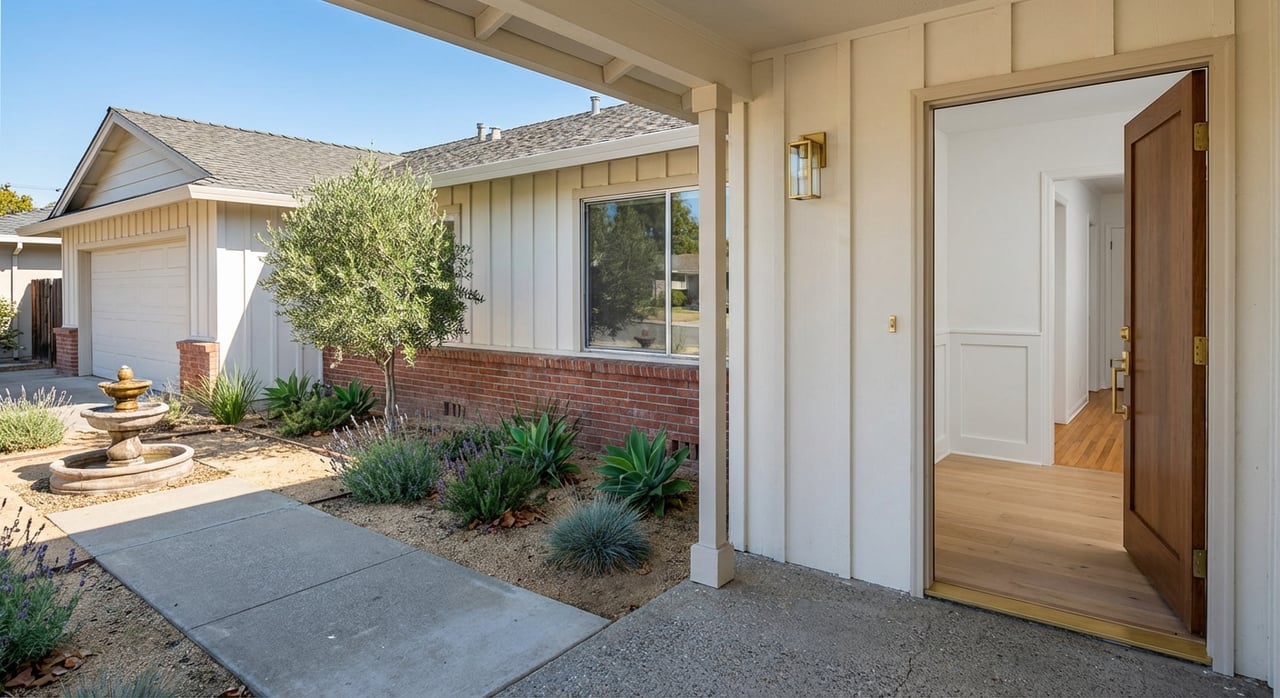
Are you staring at a to-do list and wondering if you should remodel before selling your Martinez home, or list it as-is and move on? You are not alone. Many Martinez homes are older, and deciding which fixes matter can feel overwhelming. In this guide, you’ll learn how the local market behaves, what upgrades tend to pay off, when selling as-is makes sense, and a simple math framework to choose the best path for your goals. Let’s dive in.
Martinez market at a glance
Martinez sits in a Bay Area pocket where median home values hover in the mid to high $700,000s, and time on market is often measured in weeks to a few months depending on price and condition. In this market, clean presentation and light cosmetic work can attract more showings and stronger offers. Condition still matters because buyers compare your home to nearby options in the same price band.
A big factor here is age. Many Martinez homes were built before 1980. That means buyers often ask about electrical, plumbing, roof, and any work done with or without permits. If your home is sound and mostly dated, small updates plus staging can go a long way. If your home has safety or system issues, weigh repair costs against the likely discount an as-is buyer will expect.
- Older-home context: The city’s housing stock skews older, so disclosures and potential inspection flags are normal. See place-level profiles for age mix and housing makeup in Martinez at Census Reporter.
What today’s buyers prioritize
Across the country, buyers prefer homes that feel move-in ready, with updated kitchens or baths, neutral finishes, energy efficiency, and flexible space for work. That preference often applies in Martinez as well. Many buyers will pay for a home that looks turnkey rather than take on a large remodel after closing. You can read more about buyer preferences in the National Association of Realtors’ research on buyer and seller trends at NAR.
Renovate or sell as-is: a clear framework
Use this step-by-step process to decide quickly and confidently.
Step 1: Get a hyperlocal pricing read
Ask for a comparative market analysis focused on your Martinez neighborhood and price band. Look closely at how condition affected nearby sales and how long each took to sell. This helps you set a realistic target sale price with and without improvements.
Step 2: Order a focused pre-listing inspection
A short seller inspection that reviews roof, electrical, plumbing, HVAC, foundation, and pest can save time and stress. If an inspector flags major safety issues, an appraiser may also flag them for financing. FHA and other loan programs have minimum property standards, and obvious hazards can limit your buyer pool. You can review FHA’s standards overview in the agency handbook reference linked here: FHA Handbook 4000.1 excerpt.
Step 3: Prioritize high-ROI, low-scope projects
Focus on projects that tend to recoup a large share of cost at resale. Remodeling’s Cost vs. Value analysis consistently shows strong performance from smaller exterior and minor interior projects.
High-leverage candidates to consider first:
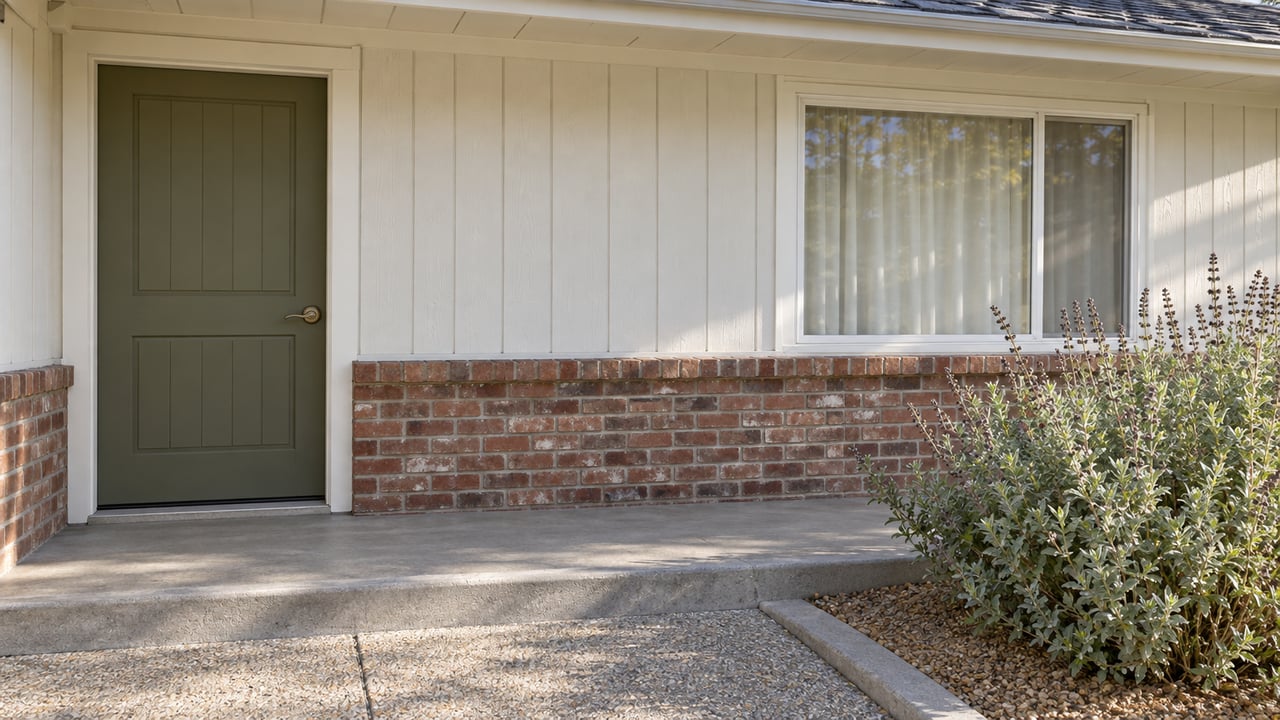
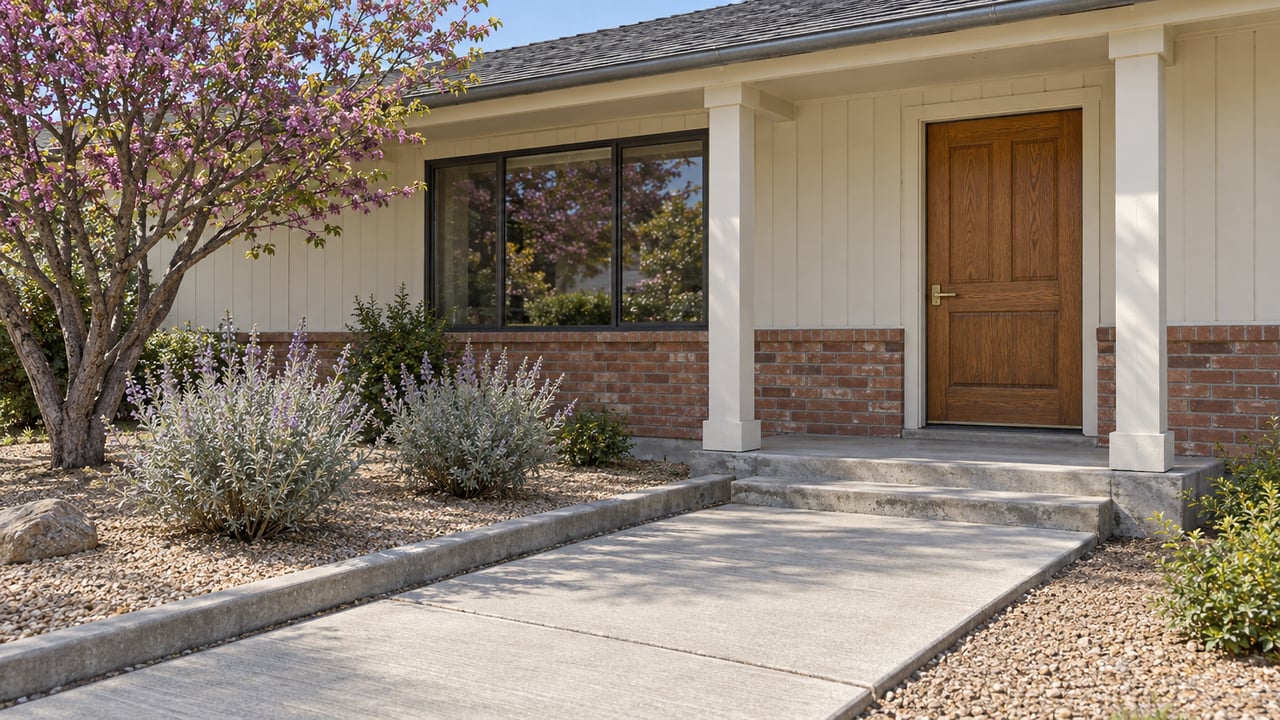
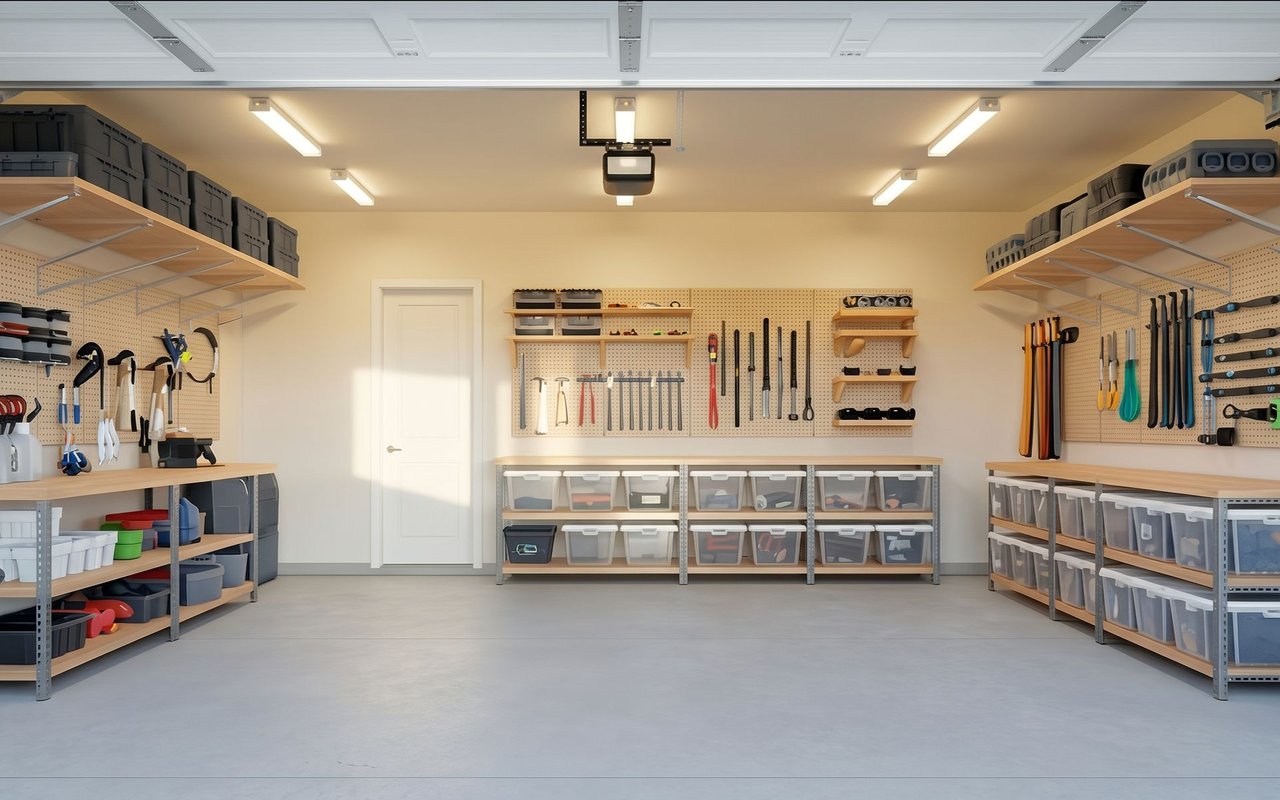
- New garage door or upgraded entry door
- Minor kitchen refresh with painted cabinets, new hardware, a modern faucet, and updated lighting
- Basic bath refresh with new fixtures and a clean, bright look
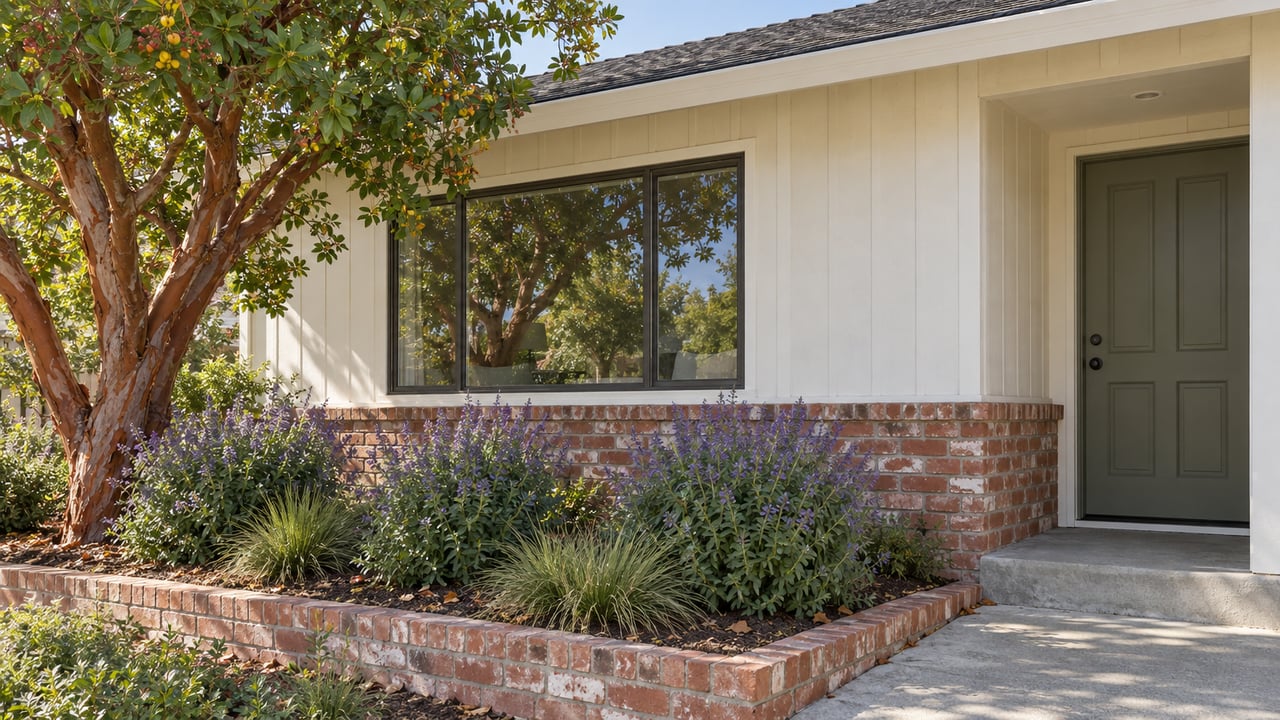
- Neutral interior paint, updated light fixtures, and simple landscaping for curb appeal
You can review category-level ROI trends at Cost vs Value. Use local bids to confirm pricing.
Step 4: Be cautious with large renovations
Big-ticket projects like luxury kitchen overhauls, additions, or high-end finishes often recover a smaller percentage of cost at resale, especially when timelines stretch and carrying costs climb. They can make sense if nearby comps support higher price ceilings, but in many Martinez price bands, you will get better net results from modest updates. See the national and regional patterns at Cost vs Value.
Step 5: Consider financing realities
If your home has health or safety issues, some buyers using conventional, VA, or FHA financing may not be able to close unless repairs are completed first. Buyers can use renovation loans, but these require extra documentation and time.
- FHA 203(k) lets buyers finance purchase plus repairs. Learn more at HUD’s 203(k) page.
- Fannie Mae HomeStyle is a conventional option for purchase plus renovation. See details at Fannie Mae HomeStyle Renovation.
If you want the widest buyer pool, bring the home to minimum habitability. If you prefer speed and simplicity, selling as-is is possible, but expect buyers to price in repairs.
Step 6: Run the net-gain math
Use a simple equation before you start any work:
- Expected net = (Price with upgrades) − (Price as-is) − (Renovation cost) − (Extra carrying costs during work) − (Staging/holding costs)
If the expected net is modest or negative, skip the big projects and focus on high-ROI prep.
A quick Martinez example
Let’s say your Martinez home would likely sell around $780,000 as-is.
Option A: Minor updates
- Scope: Minor kitchen refresh, paint, curb appeal
- Cost: $15,000 for kitchen refresh + $3,500 paint + $2,500 basic landscaping = $21,000 total
- Timeline: 4 to 6 weeks
- Carrying costs: Estimate $4,000 for this period
- Expected impact: Based on Cost vs Value patterns, minor projects often recoup a high share of cost. Assume a conservative uplift of $30,000 from improved presentation and buyer appeal.
- Math: $30,000 uplift − $21,000 costs − $4,000 carrying = $5,000 net gain
Option B: Major kitchen remodel
- Scope: Full gut and rebuild
- Cost: $80,000
- Timeline: 3 months
- Carrying costs: Estimate $8,000 for this period
- Expected impact: Major upscale remodels frequently recoup a smaller share of cost compared to minor projects. Assume a conservative uplift of $50,000.
- Math: $50,000 uplift − $80,000 costs − $8,000 carrying = −$38,000 net
Takeaway: In many Martinez cases, light updates and presentation win on net results, while large remodels risk over-spending for the return.
What to fix before selling as-is
If you plan to go as-is, you still benefit from a short prep punch list. Focus on items that widen your buyer pool or prevent appraisal issues:
- Safety and habitability: Remedy active leaks, exposed wiring, or obvious hazards that could derail a loan. Minimum property standards affect many loans, and ignoring these can push you toward cash-only buyers. See FHA’s guidance linked above.
- Disclosures and permits: Complete your California Transfer Disclosure Statement, order a Natural Hazard Disclosure if applicable, and ensure you disclose any known issues. Read a summary of California disclosure obligations here: Real Estate Disclosure Obligations.
- Clean and present: Declutter, deep clean, prune landscaping, and consider light staging to help buyers visualize. Staging research shows it can reduce days on market and support stronger offers. Review a staging overview at NAR.
Martinez-specific notes on permits and timelines
Older homes may include unpermitted changes or historic elements. If you plan structural work, system upgrades, or exterior changes, factor in permits, inspections, and timelines. Check local resources before you start to avoid delays. For county planning and data resources, visit Contra Costa County’s portal at Contra Costa County Maps and Data.
Bay Area labor and materials often cost more than national averages. Get 2 to 3 local bids, confirm each contractor’s permit experience, and ask for itemized estimates so you can compare cost to expected price lift.
The simple decision checklist
Use this quick sequence before calling in a full crew:
- Pricing reality check
- Get a local CMA and review recent Martinez sales by condition and days on market.
- Pre-list inspection
- Screen for roof, electrical, plumbing, HVAC, foundation, and pest issues. If major hazards appear, price an as-is sale or repair them to keep financing options open. Reference FHA minimum standards here: FHA Handbook excerpt.
- Short, high-ROI project list
- Prioritize minor kitchen refreshes, new garage or entry doors, neutral paint, lighting swaps, and curb appeal. Use Cost vs Value to rank ROI.
- Get 2–3 itemized bids
- Keep scope tight. Ask for timelines and confirm who handles permits if needed.
- Run the net math
- Include carrying costs and a buffer for schedule slippage.
- List strategy
- If net is strong, proceed with limited updates plus professional staging and photography. If net is weak or repairs are large, consider an as-is sale and highlight renovation-loan paths for buyers using HUD 203(k) or Fannie Mae HomeStyle.
When selling as-is makes sense in Martinez
Selling as-is can be smart when:
- The home has major system or safety issues and repair costs are high.
- You need speed and don’t want to manage contractors and permits.
- The expected net from renovations is small or negative after carrying costs.
- You plan to target cash or investor buyers who are comfortable with repairs.
In these cases, clear disclosures and straightforward pricing help you move quickly while keeping risk low.
When light renovation is worth it
Limited, cosmetic upgrades are often worth it when:
- The home is structurally sound but dated.
- You can complete work in weeks, not months.
- The scope hits top ROI categories from Cost vs Value.
- Your agent’s CMA shows a clear price gap between dated and refreshed comps.
Pair these updates with strong presentation. Professional staging and photos can shorten market time and support higher offers. See an overview on staging’s buyer impact at NAR.
Final thought
In Martinez, you usually win by keeping it simple: fix what blocks financing, lean into cosmetic updates that photograph well, and skip big remodels unless your comps clearly support it. The right plan weighs ROI, timeline, and your stress level. If you want a tailored prep plan, local vendor introductions, and a pricing strategy based on today’s Martinez data, reach out to the Lupe Kemper Team for a free, no-pressure consultation.
FAQs
What does “sell as-is” mean in California?
- It means you will not make repairs before closing, but you still must complete required disclosures like the Transfer Disclosure Statement and Natural Hazard Disclosure. Buyers can still inspect and negotiate based on findings.
Which renovations add the most value before selling in Martinez?
- Smaller projects like a new garage or entry door, minor kitchen or bath refreshes, neutral paint, and curb appeal often recoup a high share of cost. See category trends at Cost vs Value.
How do older Martinez homes affect buyer financing?
- If an older home has safety or habitability issues, appraisers may flag them and some loan programs will require repairs. Review minimum standards in the FHA Handbook excerpt.
Should I stage my Martinez home if I sell as-is?
- Yes, light staging and professional photos can help buyers see potential, shorten days on market, and support stronger offers. See research highlights at NAR.
Do I need permits for pre-sale work in Martinez?
- Structural changes, electrical upgrades, and many exterior updates require permits. Check local guidance and timelines at Contra Costa County Maps and Data.
Can buyers use renovation loans to purchase my as-is home?
- Yes. FHA 203(k) and Fannie Mae HomeStyle let buyers finance repairs with the purchase, though these loans add steps and time. Learn more at HUD 203(k) and HomeStyle Renovation.