Ever wonder what a typical weekday in Lafayette actually feels like? Maybe you picture a quick BART ride, a coffee run downtown, and a sunset loop around the reservoir before dinner. If you’re weighing a move, you want the real rhythm of the place, not just a brochure snapshot. In this guide, you’ll learn how people get around, where locals spend their time, what housing and schools look like, and how weekend life unfolds. Let’s dive in.
Lafayette at a glance
Lafayette is a small suburban city in Contra Costa County with a population of about 25,371. It leans strongly residential, with an owner-occupancy rate near 77 percent, a median household income around $222,393, and a Census-reported owner-occupied median home value of $2,000,000+ in the 2019–2023 summary. The average commute time sits around 28.8 minutes across residents, though your route and time of day matter. These figures are from the U.S. Census American Community Survey and offer a helpful baseline for the local lifestyle and market context. You can explore the city’s Census snapshot for more detail in Lafayette’s QuickFacts.
Getting around Lafayette
BART into San Francisco
If your work is in downtown San Francisco, BART is the most reliable public-transit option. From Lafayette station, a ride to central SF is often about 30 to 35 minutes on direct trains, depending on time of day and schedule. For a sample plan, check a recent trip estimate from a third-party planner showing a similar time window for a Lafayette to SF run here. Always confirm times close to your travel date in case of service changes.
Driving and highways
Lafayette sits along Highway 24 with near access to I‑680. Peak-hour driving can stretch commute times, especially heading west toward the Caldecott Tunnel or south on 680. Regional traffic projects, including the I‑680 express lane completion, aim to improve throughput in the corridor. You can see project context at the Contra Costa Transportation Authority’s Innovate 680 page.
Walking and biking for errands
In the core downtown, you can walk to coffee, groceries, and services. Beyond the center, Lafayette remains car-oriented, but the city has worked to improve sidewalks and bike routes between neighborhoods, schools, and downtown. The Lafayette–Moraga Regional Trail also gives you a traffic-separated path that links into everyday routines, from school runs to evening rides.
Daily rhythms you’ll notice
Morning
You’ll see early walkers and joggers at the Lafayette Reservoir. Commuters head to BART or Highway 24. Cafés near Mt. Diablo Blvd start filling with parents after school drop-off and remote workers settling in with laptops.
Midday
Errands cluster around downtown groceries and shops. Outdoor time is easy to work in, whether it’s a quick lap on the reservoir’s Lakeside loop or a relaxed stroll on the Lafayette–Moraga trail.
Evening
Weeknights are quieter, with a steady dinner crowd downtown. Weekends bring a livelier scene with community concerts, seasonal festivals, and family time at local parks and trails.
Downtown Lafayette conveniences
Groceries and everyday errands
Downtown is compact, so you can handle most errands in one loop. You’ll find multiple grocery anchors and an array of local cafés and services. The overlap of choices central to Mt. Diablo Blvd helps you stay close to home for weekday shopping.
Dining, music, and seasonal events
Downtown’s restaurants, wine bars, and dessert spots stay active into early evenings, especially Thursday through Saturday. In warmer months, community programming picks up across plaza blocks and nearby venues. The city publishes updates on concert lineups and seasonal happenings; check the City of Lafayette’s news and event notices for current dates on concerts and festivals on the city calendar page.
Library, learning, and community hubs
The Lafayette Library & Learning Center is a major hub for talks, family programs, and adult classes. Community theater and local performance spaces bring regular shows to town, feeding a steady arts rhythm without a long drive.
Parks and trails close to home
Lafayette Reservoir
The reservoir is the heartbeat of daily outdoor life. The paved Lakeside Nature Trail is about 2.7 miles and great for strollers, dog walks, and casual jogs. The Rim Trail adds hilly dirt loops for a longer workout. Park hours and recreation details, including fishing and boat rentals, are posted by EBMUD on the Lafayette Reservoir page.
Lafayette–Moraga Regional Trail
This paved, linear park runs roughly 7 to 8 miles between Lafayette and Moraga and is popular for biking, jogging, and easy family walks. If you like to fit in movement without getting in the car, the trail makes short rides and after-dinner strolls simple. Learn more via the Lafayette–Moraga trail overview.
Briones and nearby ridgelines
For bigger weekend hikes and views, head a few minutes out to regional park trailheads in the Briones and Las Trampas ridgelines. Many residents plan Saturday long runs or family hikes there, then circle back for coffee or a meal downtown.
Homes and neighborhoods
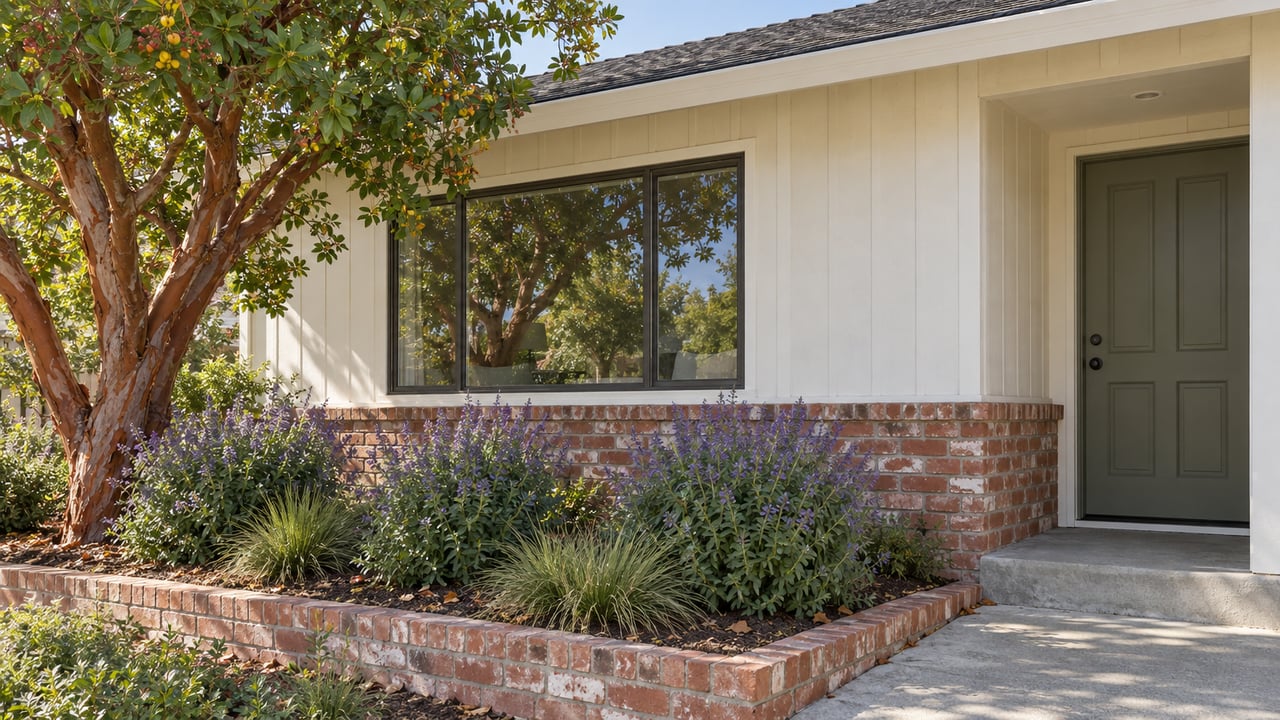
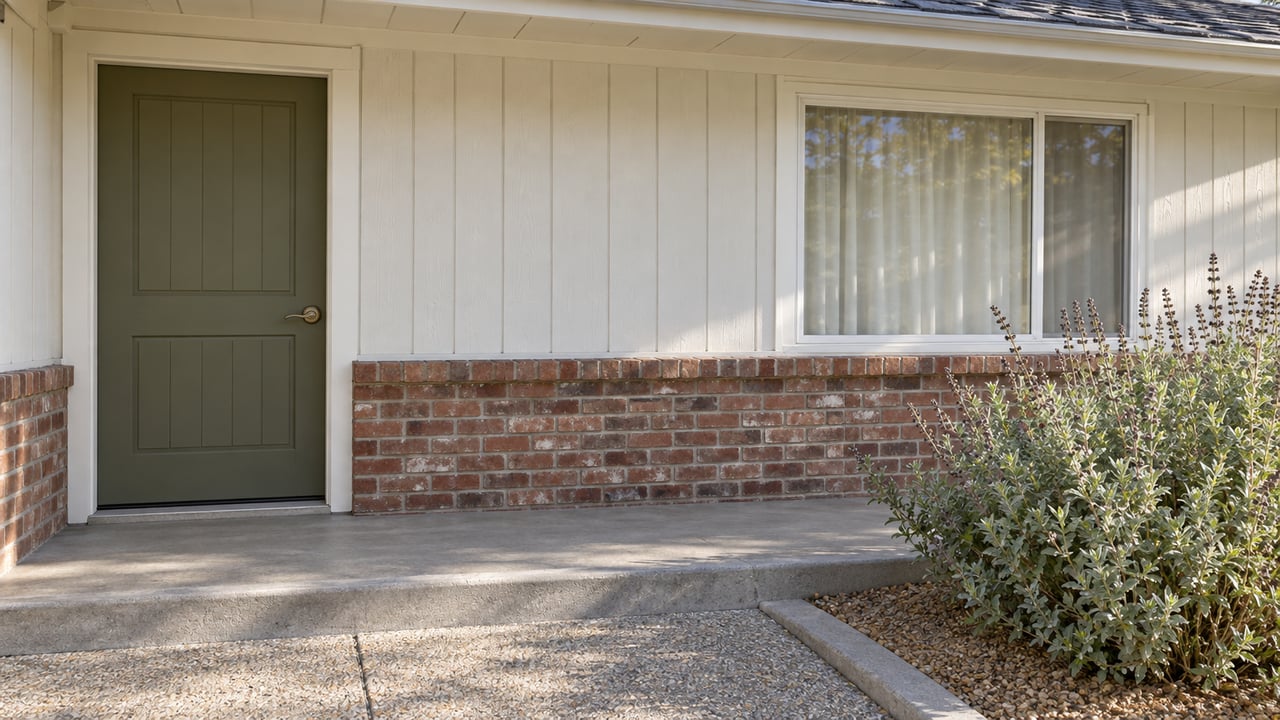
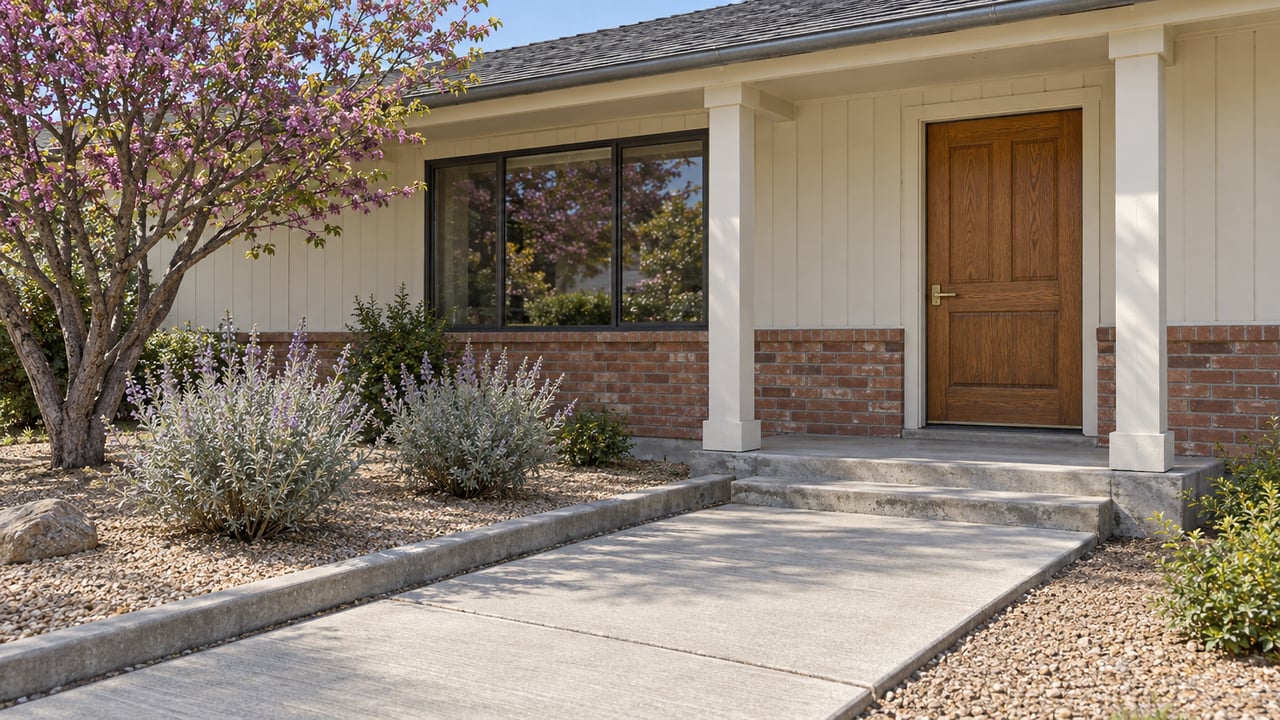
Lafayette’s housing stock is primarily single-family homes, with small clusters of townhomes and condos closer to downtown and transit. The city’s owner-occupancy rate underscores a stable, homeowner-oriented environment. Planning documents also outline future downtown-focused opportunities to add more multi-family options to meet state housing goals, with objective standards to guide design and safety. For official policy context, review the city’s planning hub for General Plan and Safety Element updates on the City of Lafayette planning page.
On pricing, Lafayette is a premium East Bay suburb. The Census multi-year snapshot pegs the owner-occupied median value at $2,000,000+ for 2019–2023, while month-to-month market tools may show varying figures depending on their method and timing. If you’re preparing to buy or sell, it’s smart to pair these baselines with current, on-the-ground comps and a clear plan for pricing, prep, and negotiation.
Schools and family life
Lafayette is served by the Acalanes Union High School District, which includes high schools for Lamorinda communities. School-related activities and schedules shape weekday traffic peaks and community life, from after-school sports to booster events. You can learn about district structure and programs on the Acalanes Union High School District information page.
For families, typical routines include morning drop-offs, midday errands, and plenty of time outside on trails and at the reservoir. Many social ties grow through school organizations, local clubs, and community events.
Safety and preparedness
City reports note lower rates of violent crime than state and national averages in many recent years, and local communications emphasize community safety and readiness. As with any city, you’ll want to review the latest official updates for specific metrics.
Wildfire preparedness is part of daily planning in Lafayette’s hillside areas. The city’s updated Safety Element and planning documents discuss evacuation routes, defensible space, and resilience strategies. For policies and updates, see the city’s General Plan resources on the planning update page.
A few day-in-the-life snapshots
Commuter professional
- Morning coffee in the plaza, a quick BART ride to SF, laptop time on the train.
- After work, a short jog or walk around the reservoir before dinner downtown.
Family with school-age kids
- School drop-off by car or bike, midday errands near Mt. Diablo Blvd.
- Weekend hike on the Lafayette–Moraga trail or a scenic loop at the reservoir.
Outdoor weekend person
- Saturday long run on nearby ridgelines, Sunday recovery walk on the paved Lakeside loop.
- Afternoon coffee or a visit to a local event if one is on the calendar.
Longtime resident or retiree
- Morning program at the library, an easy downtown walk, and an early evening meetup at a familiar spot.
Is Lafayette a fit for you?
If you value quick access to nature, a compact and useful downtown, and realistic transit options into San Francisco, daily life in Lafayette can be remarkably smooth. The city’s parks and trails make it easy to get outside without a long drive, and the event calendar adds a steady stream of community moments.
Thinking about a move or a sale in Lafayette or nearby Contra Costa communities? Let’s map your goals to a clear plan for timing, pricing, and prep. Reach out to the Lupe Kemper Team to start a conversation or Request a Free Home Valuation.
FAQs
How long does the Lafayette-to-SF BART commute take?
- BART from Lafayette to central San Francisco is often around 30 to 35 minutes on direct trains, depending on schedule and time of day. Always check a current trip planner before you go.
Is Lafayette’s downtown walkable for daily errands?
- Yes. The core around Mt. Diablo Blvd and Moraga Way is compact, with groceries, cafés, restaurants, and services in close reach. Outside the center, you’ll likely rely on a car for longer trips.
What outdoor options are part of daily life?
- The Lafayette Reservoir is a favorite for daily loops, and the paved Lafayette–Moraga trail is ideal for easy walks and rides. Regional parks nearby add longer hikes and weekend adventures.
What do homes and prices look like in Lafayette?
- Lafayette is largely single-family residential with smaller clusters of townhomes and condos near transit. The Census 2019–2023 summary shows an owner-occupied median value of $2,000,000+; live market tools vary by method and month.
What school district serves Lafayette?
- Lafayette is within the Acalanes Union High School District. District information and program overviews are published on the AUHSD website.
What’s the average commute time for residents overall?
- The ACS estimates a mean travel time to work of about 28.8 minutes. Your route and time of day will influence real-world results.