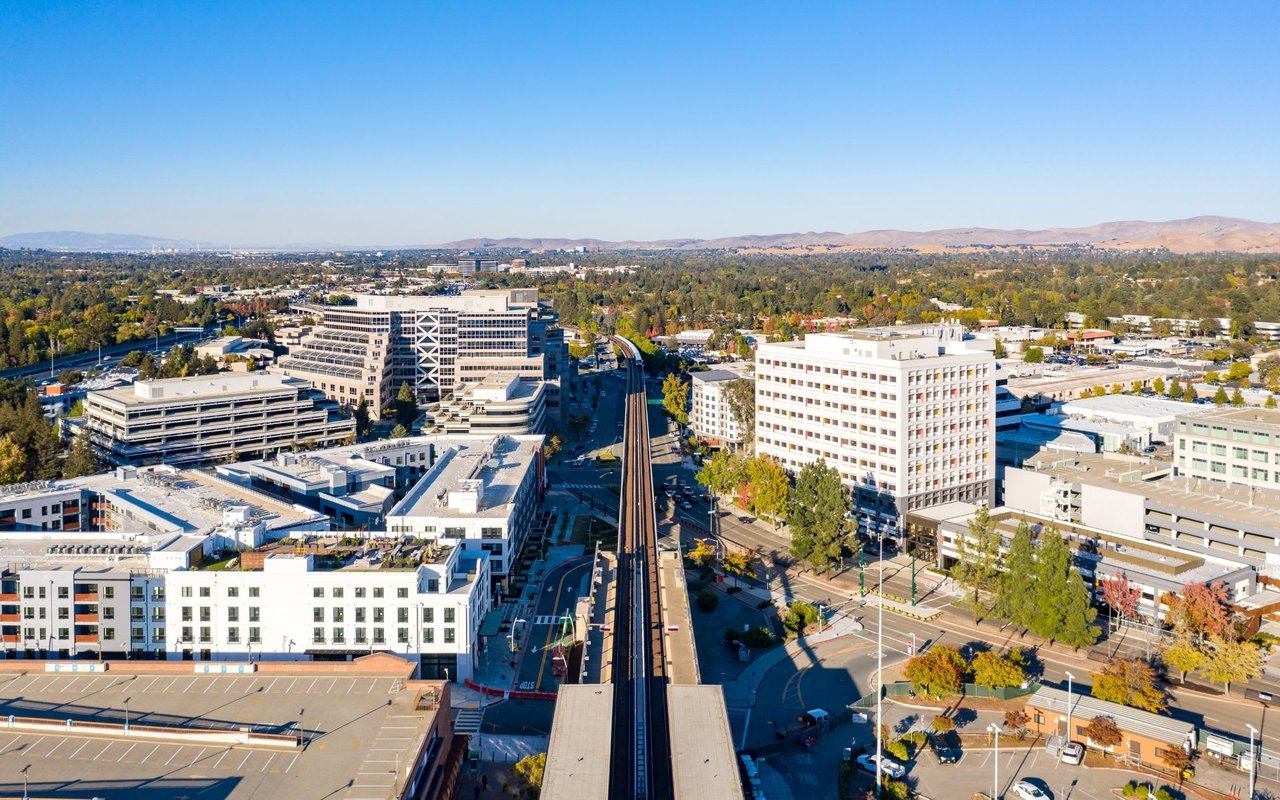
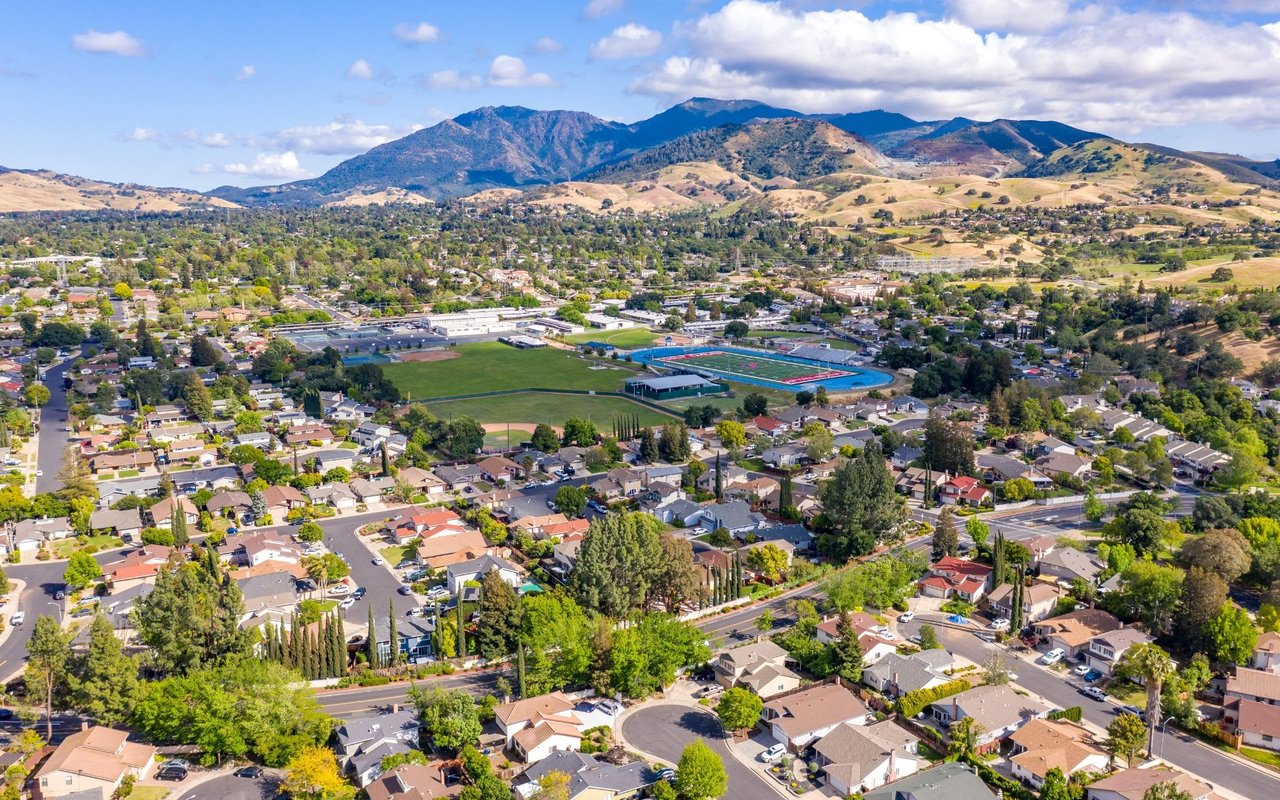
Walnut Creek isn't a town you stumble upon by accident. Tucked into a valley in Contra Costa County with Mount Diablo standing watch to the east, it has spent the last few decades quietly becoming what many Bay Area locals call the "anchor of the East Bay." It's the rare suburb where you can hike a rugged ridge trail in the morning, catch a professional ballet at the Lesher Center in the afternoon, and walk to dinner at a Spanish tapas bar by night — all without ever needing to drive into San Francisco.
What makes Walnut Creek genuinely different from its neighbors like Lafayette, Alamo, or Danville is its blend of urban polish and suburban breathing room. Roughly 71,100 residents call it home, but the city pulls in shoppers, diners, and culture-seekers from across all of Central Contra Costa County thanks to Broadway Plaza, two BART stations, and one of the largest community arts programs in Northern California. It's affluent without feeling exclusive, walkable without feeling crowded, and family-friendly without losing its grown-up appeal.
This guide pulls together what buyers, renters, and curious newcomers most need to know — from real estate dynamics and school district boundaries to the lifestyle quirks only a longtime local would point out.
Walnut Creek sits at one of the most strategically valuable intersections in the entire East Bay. The city is built right on top of the I-680 and SR-24 interchange, meaning residents have a direct highway shot south to Silicon Valley, north to Sacramento, and west through the Caldecott Tunnel into Oakland and San Francisco. Geographically, it's about 25 miles from San Francisco, 16 miles from Oakland, and 50 miles from San Jose.
The bigger story, though, is transit. The city is served by two BART stations — the main Walnut Creek Station and the Pleasant Hill/Contra Costa Centre Station on the northern border. From either, you're roughly 35 minutes from downtown San Francisco without ever touching a steering wheel. Add in the free Downtown Trolley (Route 4) that loops between BART and the shopping district, plus the Iron Horse Regional Trail that cuts north-south through the city for cyclists and runners, and Walnut Creek becomes one of the few Bay Area suburbs where car-light living is actually realistic.
For seniors and residents with mobility needs, the city goes a step further with its Walnut Creek Mini-Bus Program (curb-to-curb service for residents 60+ or adults with adaptive needs), subsidized Lyft partnerships, and ADA paratransit through the Contra Costa Transportation Authority.
Walnut Creek has a distinct demographic fingerprint that explains a lot about how the city feels day-to-day. The median age is 46.8 years — nearly a decade older than the California average — largely because of Rossmoor, the massive 55+ active-adult community that anchors the southern end of the city. About 29.5% of residents are 65 or older, while roughly 15.5% are under 18.
Financially, this is a high-earning, highly educated community:
The city is predominantly White (61.3%), with Asian residents making up 17.3%, Hispanic or Latino residents at 12.4%, and a notable foreign-born population of 24.4%. The workforce skews heavily white-collar — over 92% — with concentrations in healthcare, finance, business management, and professional services. Around 31% of residents now work fully remote, a meaningful shift from pre-pandemic norms.
The Walnut Creek market is competitive, premium, and split into two very different worlds.
The typical home value sits at roughly $1.04 million, but that figure masks a significant divide. Single-family detached homes — the most sought-after segment — generally start at $1.2 million and climb past $2 million in premium neighborhoods like Walnut Heights, Northgate, and Parkmead. These homes fly off the market, with the median property going pending in just 12 to 15 days, and 40–50% of listings selling above asking.
On the other end, Walnut Creek has a robust condo and townhome market — far more multi-family inventory than neighboring Lafayette or Alamo. Downtown-adjacent condos near BART range from $450,000 to $850,000, making them a real entry point for first-time buyers and commuters.
And then there's the Rossmoor factor. This gated 55+ community holds over 6,700 units and operates on a co-op model with strict age and financial qualifications. Median listing prices inside Rossmoor sit around $630,000, which substantially pulls down the city's overall median — even though detached homes outside the gates remain firmly above seven figures.
A quick neighborhood pricing snapshot:
| Neighborhood (ZIP) | Median Home Value | Character |
|---|---|---|
| Walnut Heights / Larkey Park (94598) | $1.4M – $1.7M | Family-centric, larger lots, mid-century ranch homes |
| Downtown / Almond-Shuey (94596) | ~$1.15M | Walkable, luxury condos, historic bungalows |
| Rossmoor / Tice Valley (94595) | $640K – $675K | Senior community, condo-heavy |
Renters can expect average rents of $2,600–$2,850 per month, with 1-bedrooms near downtown running $2,500–$2,750 and single-family rentals frequently topping $4,500.
Walnut Creek is expensive — there's no soft way to put it — but it offers a meaningful discount compared to San Francisco proper, roughly 12% cheaper depending on the category. Overall, the cost of living runs 56–69% above the national average.
Housing is the heavyweight, sitting more than 108% above the U.S. baseline. Utilities are the second pain point thanks to PG&E rates that run about 47% above national norms, with summer electric bills for larger homes easily reaching $400–$600 a month. Gas regularly costs $4.20–$5.00 per gallon, groceries trend about 12% above average, and healthcare runs roughly 21% higher.
As a rough benchmark, a single professional renting a 1-bedroom downtown should plan for an income of at least $90,000–$100,000 to live comfortably. A family of four buying a single-family home typically needs $200,000+ in household income to manage the full picture of mortgage, taxes, insurance, and lifestyle.
Schools are arguably the single biggest reason families pay a premium to live here — and there's one critical detail every buyer needs to understand: Walnut Creek is split among three different school districts depending on your exact street address.
Most of the central, southern, and western parts of the city feed into the Walnut Creek School District (K–8) and then the Acalanes Union High School District — one of the top 30 districts in California. Students in this boundary attend Las Lomas High School, with a 96% graduation rate and strong arts and AP programs.
The northern and eastern neighborhoods (think Larkey Park and the Ygnacio Valley corridor) fall into Mt. Diablo Unified School District, where the standout is Northgate High School — a 10/10 GreatSchools-rated powerhouse with elite STEM and robotics programs and a 97% graduation rate.
A small southern sliver bordering Danville falls into the equally elite San Ramon Valley Unified School District.
For families looking outside the traditional public path, Walnut Creek offers strong alternatives: Tice Creek School (a project-based K–8 within WCSD), the Contra Costa School of Performing Arts (a tuition-free conservatory-style public charter for grades 6–12), The Seven Hills School (independent preschool–8th grade), and the nearby Catholic powerhouses Carondelet (girls) and De La Salle (boys) just over the Concord border.
The bottom line: before you fall in love with a specific house, verify the school assignment. Two homes a few blocks apart can feed into entirely different districts.
Walnut Creek's downtown is the commercial heart of the East Bay. Broadway Plaza — an open-air, European-style luxury shopping district anchored by Nordstrom and Macy's — pulls in shoppers from across Northern California with tenants like Apple, Lululemon, Aritzia, Anthropologie, Sephora, and Kendra Scott. Branching out from there, the Locust Street and Almond-Shuey corridors offer independent boutiques, jewelers, and local makers.
The dining scene is where Walnut Creek really separates itself from typical suburbs. A few standouts worth knowing by name:
For foodies who prefer cooking at home, the city features Whole Foods, Trader Joe's, Sprouts, and the year-round Sunday Farmers' Market downtown. Evening crowds gravitate to Calicraft Brewing Co. and various downtown taprooms, while the café scene centers around spots like Tellus Coffee and Lottie's Creamery.
This is the part of Walnut Creek that surprises newcomers most. Despite the polished downtown, the city manages 16 developed city parks plus over 3,000 acres of protected Open Space — a legacy of a 1974 citizen-backed bond measure that bought up the foothills to prevent overdevelopment.
The crown jewel is Heather Farm Park, a 100-acre destination with an all-inclusive playground, dog park, equestrian center, skate park, tennis complex, the Clarke Swim Center, and the beautiful Gardens at Heather Farm. Larkey Park on the north side draws families with its splash pad and the renowned Lindsay Wildlife Experience — a hands-on wildlife rehabilitation museum where kids meet rescued hawks, owls, and foxes. Civic Park, right next to downtown, transforms into an outdoor ice rink each winter.
For the more adventurous, the four Open Space Preserves are the real prize:
Tucked within these spaces sits Old Borges Ranch, a working 20th-century cattle ranch on the National Register of Historic Places, complete with live farm animals.
For a suburb of its size, Walnut Creek's cultural footprint is genuinely impressive. The Lesher Center for the Arts anchors the scene downtown — a three-theater complex drawing 350,000+ visitors a year and hosting Center REP (the resident professional theater company), the California Symphony, Contra Costa Ballet, and the high-profile Lesher Speaker Series.
Inside the same complex, the Bedford Gallery presents four to five contemporary art exhibitions a year and hosts the popular annual Craft Fest. Beyond the formal venues, the city's Public Art Program has integrated over 60 statues, murals, and installations throughout downtown — with free docent-led walking tours every third Saturday from spring through autumn.
For residents who'd rather make art than just consume it, the city's Civic Arts Education Program is the largest community arts program in Northern California, offering hundreds of quarterly classes in ceramics, glassblowing, photography, digital media, and more.
The cultural calendar also includes signature festivals like Fiesta Cultural (summer Latin American celebration), Walnut Creek Oktoberfest, Walnut Creek Uncorked, and the free summer concert series in Civic Park.
If your reason for considering Walnut Creek includes a commute to San Francisco or Oakland, this is where the city earns its reputation. BART is the gold standard option — a 35–40 minute direct ride from the Walnut Creek station straight to Embarcadero or Montgomery Street, bypassing every freeway headache. Parking at the main station runs $5 daily on weekdays and is free on weekends. The Pleasant Hill/Contra Costa Centre station on the northern border offers an alternative with extensive parking.
Driving the same commute via SR-24 and the Bay Bridge can take 50–75 minutes during rush hour, plus a $7 bridge toll and steep city parking. Local bottlenecks tend to hit I-680 southbound near the 24 split in the morning and northbound through town in the evening.
Around town, two free County Connection shuttles do the heavy lifting: Route 4 (the Downtown Trolley) loops between BART and Broadway Plaza every 15 minutes on weekdays, and Route 5 (Creekside Shuttle) connects BART to the South Main corridor and Kaiser Permanente. For cyclists, the Iron Horse Regional Trail offers a completely motor-vehicle-free commute corridor cutting north-south through the city.
Here's where Walnut Creek's range really shows. A few highlights organized by what you're in the mood for:
Every neighborhood has trade-offs, and being upfront about them is part of the job. Here's the honest read:
Pros:
Cons:
Walnut Creek isn't a one-size-fits-all suburb, but it's an exceptional fit for a few specific lifestyles.
Hybrid and BART commuters get arguably the best deal in the East Bay — a 35-minute train into San Francisco paired with a peaceful, well-appointed home base for remote workdays. Move-up families prioritizing schools, safety, and long-term roots find some of California's strongest public education combined with safe, tree-lined neighborhoods and elite youth programs. Active outdoor enthusiasts treat the city as a launchpad, with direct access to thousands of acres of wilderness and the Iron Horse Trail. And empty nesters and retirees find a near-perfect setup between Rossmoor's maintenance-free 55+ community, walkable downtown condos, world-class healthcare at John Muir and Kaiser, and the free trolley system.
Where it's not an ideal fit: strict-budget buyers will get more square footage further inland in Concord or Martinez; nightlife-first city dwellers will find the energy too quiet by SF or Oakland standards; and anyone hoping for a fully car-free life will need to stay tightly within the downtown radius.
If you're seriously weighing a move to Walnut Creek — or just trying to figure out which side of a school district boundary a particular home falls on — having a local expert who actually understands the East Bay makes a meaningful difference.
Lupe Kemper has spent over 35 years working in Bay Area real estate, with deep roots specifically in Walnut Creek, Alamo, Lafayette, and Martinez. Her background is unusual in the best way: before becoming a Certified Residential Real Estate Specialist, she was directly involved in raw land development and built high-end luxury spec homes throughout the area. That means she reads properties differently than most agents — she understands construction, neighborhood evolution, and what makes a home hold its value over decades, not just months.
Lupe is based out of 1646 N California Blvd, Suite 101, Walnut Creek, CA 94596. Whether you're a first-time buyer eyeing a downtown condo, a family weighing the Las Lomas vs. Northgate school question, or a longtime resident thinking about downsizing into Rossmoor, she's a straightforward, no-pressure resource for the kinds of questions that matter most.
Reach out by email at [email protected] or call/text (925) 997-1290. Even if you're just gathering information, a conversation with someone who's watched this city grow for over three decades is worth the time.
69,790 people live in Walnut Creek, where the median age is 46.1 and the average individual income is $83,164. Data provided by the U.S. Census Bureau.
Total Population
Median Age
Population Density Population Density This is the number of people per square mile in a neighborhood.
Average individual Income
There's plenty to do around Walnut Creek, including shopping, dining, nightlife, parks, and more. Data provided by Walk Score and Yelp.
Explore popular things to do in the area, including The Water Depot, Gamer's Guild, and Studio 2366 Jiu-Jitsu.
| Name | Category | Distance | Reviews |
Ratings by
Yelp
|
|---|---|---|---|---|
| Dining | 4.88 miles | 7 reviews | 5/5 stars | |
| Shopping | 3.35 miles | 8 reviews | 5/5 stars | |
| Active | 1.58 miles | 10 reviews | 5/5 stars | |
| Active | 1.15 miles | 42 reviews | 5/5 stars | |
| Active | 1.85 miles | 9 reviews | 5/5 stars | |
| Active | 3.32 miles | 41 reviews | 5/5 stars | |
| Active | 3.89 miles | 16 reviews | 5/5 stars | |
| Beauty | 1.14 miles | 43 reviews | 5/5 stars | |
| Beauty | 1.15 miles | 63 reviews | 5/5 stars | |
| Beauty | 0.87 miles | 20 reviews | 5/5 stars | |
| Beauty | 1.88 miles | 17 reviews | 5/5 stars | |
| Beauty | 1.51 miles | 33 reviews | 5/5 stars | |
| Beauty | 1.23 miles | 8 reviews | 5/5 stars | |
| Beauty | 3.88 miles | 42 reviews | 5/5 stars | |
| Beauty | 3.2 miles | 8 reviews | 5/5 stars | |
| Beauty | 0.67 miles | 7 reviews | 5/5 stars | |
| Beauty | 4.14 miles | 53 reviews | 5/5 stars | |
| Beauty | 1.88 miles | 13 reviews | 5/5 stars | |
| Beauty | 1.2 miles | 40 reviews | 5/5 stars | |
| Beauty | 1.87 miles | 5 reviews | 5/5 stars | |
| Beauty | 2.06 miles | 52 reviews | 5/5 stars | |
| Beauty | 3.21 miles | 113 reviews | 5/5 stars | |
|
|
||||
|
|
||||
|
|
||||
|
|
||||
|
|
||||
|
|
Walnut Creek has 32,142 households, with an average household size of 2.14. Data provided by the U.S. Census Bureau. Here’s what the people living in Walnut Creek do for work — and how long it takes them to get there. Data provided by the U.S. Census Bureau. 69,790 people call Walnut Creek home. The population density is 3,531.82 and the largest age group is Data provided by the U.S. Census Bureau.
Total Population
Population Density Population Density This is the number of people per square mile in a neighborhood.
Median Age
Men vs Women
Population by Age Group
0-9 Years
10-17 Years
18-24 Years
25-64 Years
65-74 Years
75+ Years
Education Level
Total Households
Average Household Size
Average individual Income
Households with Children
With Children:
Without Children:
Marital Status
Blue vs White Collar Workers
Blue Collar:
White Collar:
Our commitment as your full-time real estate agents is to provide you with the specialized Real Estate service you deserve. Our objective for every client is to find the right home. We believe that you not only buy a home but also the neighborhood.