By the Lupe Kemper Team
Buying a home in Martinez, CA, is an exciting milestone, but there is one step in the process that deserves your full attention: the home inspection. It may feel like just another box to check on your closing checklist, but a thorough inspection is one of the most powerful tools you have for making a confident, informed purchase. It gives you an unfiltered look at the condition of a property before you sign anything final, and in a market like Martinez, where homes range from older Craftsman bungalows to newer construction on the hillside, what you find in that report can vary dramatically.
The area's climate, geology, and housing stock each bring their own inspection considerations to the table. Moisture intrusion near the waterfront, older infrastructure in the historic downtown neighborhoods, and soil movement in hillside parcels are all factors that show up in home inspection reports here. Understanding what inspectors look for and how to act on what they find puts you in a far stronger position at the negotiating table.
This guide will walk you through everything you need to know about the home inspection process in Martinez, from scheduling to interpreting results to deciding what to do next. The details below will help you move forward with clarity.
Key Takeaways
- A home inspection is a visual evaluation of a property's systems and structure, not a pass/fail test.
- Martinez buyers should pay particular attention to findings related to older plumbing, foundation movement, and moisture, given the area's housing stock and geography.
- You have the chance to attend your inspection and ask questions throughout the process.
- Inspection findings can be leveraged to negotiate repairs, credits, or price adjustments before closing.
- Specialty inspections for sewer laterals, chimneys, and pests are often advisable in addition to a standard home inspection.
What a Home Inspection Actually Covers
A standard home inspection is a visual assessment of a property's accessible systems and components. The inspector will move through the home methodically, evaluating the condition of what they can see and access without opening up walls or performing invasive testing. The goal is to identify material defects, deferred maintenance, safety concerns, and items that may need attention in the near or long-term future.
In a typical inspection in Martinez, the inspector will spend two to three hours at the property, depending on its size, features, and age. Older homes, which make up a significant portion of the downtown and original inventory, tend to take longer because there is simply more to evaluate when you are looking at a 1920s Craftsman or a mid-century ranch that has been through multiple owners and renovation cycles over the decades.
The report you receive afterward will be highly detailed. It will include photos, written descriptions, and severity ratings for each item noted. Learning to interpret that report without panicking over routine maintenance items while still taking material defects seriously is one of the most useful skills a buyer can develop.
What the Inspector Evaluates
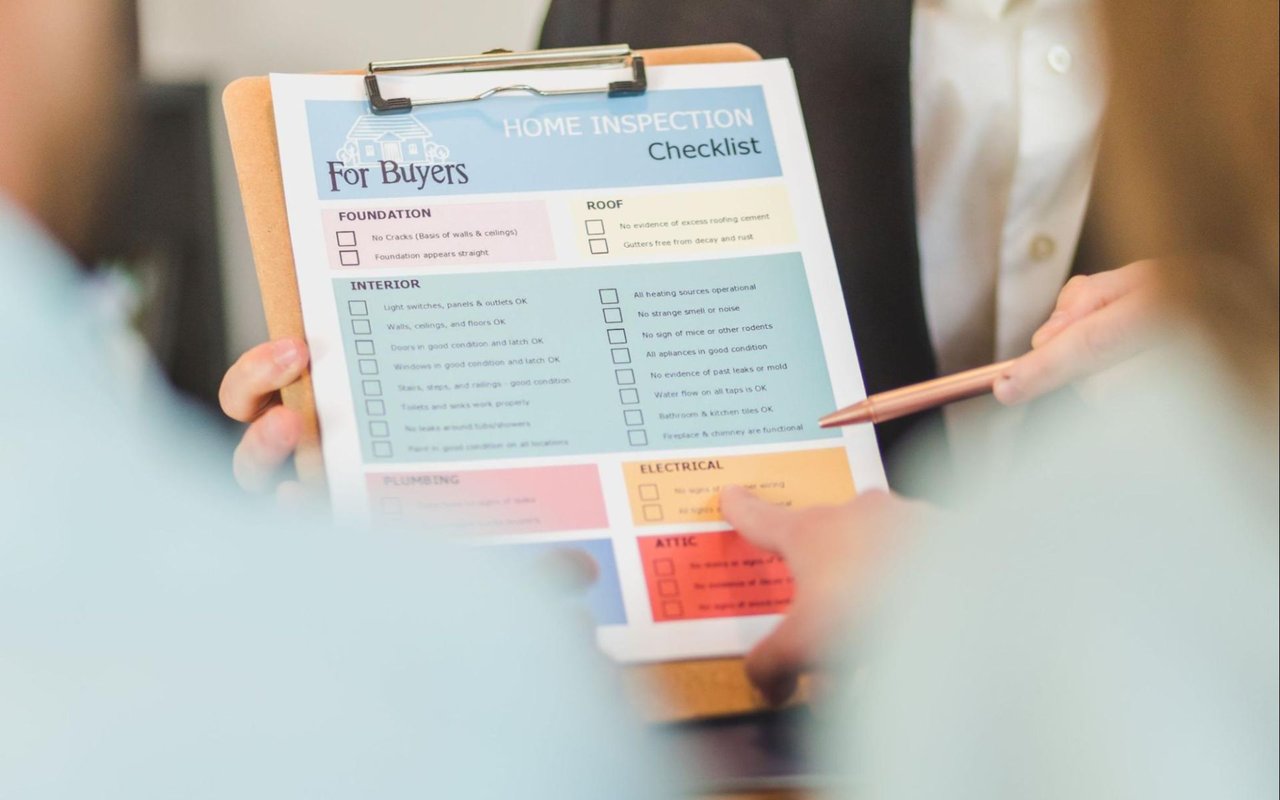
- Roof condition, including shingles, flashing, gutters, and visible signs of water intrusion.
- Foundation and structural components, with particular attention to cracks, settling, and signs of movement.
- Electrical systems, including the panel, wiring type, outlets, and grounding.
- Plumbing, including water pressure, supply and drain lines, water heater age and condition, and visible signs of leaks.
- HVAC system, including the furnace, air conditioning, and ventilation.
- Windows, doors, and exterior components, including siding, trim, and grading around the foundation.
- Attic and crawl space, including insulation, ventilation, moisture levels, and pest evidence.
Inspection Considerations Specific to Martinez
The city's housing inventory is older on average than that of many other East Bay communities, and the geography introduces additional variables that any buyer should understand before they receive their report.
Homes near the waterfront and in lower-lying areas have a higher likelihood of moisture-related findings. This can show up as evidence of past flooding in crawl spaces, efflorescence on foundation walls, or deteriorated wood framing beneath the subfloor. These findings are not always dealbreakers, but they warrant a closer look and sometimes a specialist opinion before you close.
Hillside properties introduce their own set of concerns, as soil movement and expansive clay soils are common in the hills. Foundation inspections for hillside or sloped-lot properties often benefit from a structural engineer's review in addition to the general home inspection. The cost is modest relative to the protection that it provides when you are buying on a hillside parcel.
Items to Watch Out For in Martinez Homes
- Galvanized steel plumbing in older homes, which can restrict water flow.
- Knob-and-tube wiring in pre-1950 homes, which is typically not insurable and often requires an upgrade.
- Dual-pane window seal failures, which show up as fogging between panes.
- Settlement cracks in foundations, ranging from cosmetic to structurally significant, depending on pattern and width.
- Deferred roof maintenance, particularly on older composition shingle roofs approaching the 20-year mark.
How To Prepare for Inspection Day
Attending your home inspection is one of the best things you can do as a buyer. Your inspector will walk through the property with you, point out findings in real time, and explain the context behind what they are seeing. Reading about a foundation crack in a report is one thing; seeing it in person and hearing the inspector explain whether it is typical settling or something worth monitoring changes your understanding entirely.
Before the inspection, confirm that all utilities are active at the property. An inspector cannot evaluate the HVAC system or water heater if the gas is off, and they cannot test outlets without power. If you are buying a property that has been vacant for some time, it is worth coordinating to ensure that everything is operational before inspection day.
Plan to arrive at or near the start of the inspection rather than waiting until the end for a summary walkthrough. The time you spend following the inspector through the property and asking questions about what you are seeing is some of the most valuable time you will spend in the entire buying process.
How To Make the Most of Inspection Day
- Bring a notebook or use your phone to jot down questions as they come up during the walkthrough.
- Ask the inspector to clarify the difference between items that are urgent, items that are maintenance concerns, and items that are simply informational.
- Request that the inspector demonstrate how to operate key systems, including the main water shutoff, electrical panel, and HVAC controls.
- Take your own photos of flagged areas so that you have reference images separate from the formal report.
After You Receive the Report
Your inspection report will almost certainly contain a list of findings. That is true of virtually every home, regardless of age or condition. The question is which items are significant enough to influence your decision or your negotiations.
Once you have reviewed the report, we will determine which findings you want to address with the seller. Buyers typically have the option to request repairs, ask for a credit toward closing costs, or negotiate a price reduction based on material defects discovered during inspection. Our team will help you assess what is reasonable to ask for, given the local market conditions and the specifics of your purchase agreement.
In some cases, a finding in the general inspection will prompt a recommendation for a specialist. A licensed plumber may need to scope the sewer lateral; a structural engineer may need to evaluate a foundation concern; a licensed electrician may need to assess an older panel. These secondary inspections add a small cost but can save you from unexpected expenses after closing.
Options When Significant Findings Come Up
- Request that the seller complete repairs prior to closing escrow.
- Negotiate a credit or price reduction and handle repairs yourself after closing.
- Ask for additional inspections or a specialist evaluation before making a final decision.
- Accept the property as-is and build the cost of repairs into your long-term ownership budget.
FAQs
How Long Does a Home Inspection Take?
Most standard home inspections in Martinez take between two and three hours for an average-sized home. Older homes, larger properties, or those with more complex systems, such as pools, guest units, or steep hillside lots, may run longer. Plan to be present for the full duration if possible.
Can a Seller Refuse To Make Repairs After an Inspection?
Sellers are not obligated to make repairs based on inspection findings. What you can do is negotiate the price, ask for a closing credit, or exercise your right to cancel the contract within the inspection contingency period if the findings are unacceptable. We will help you navigate that conversation based on the terms of your agreement.
What Happens if the Inspection Uncovers a Major Issue?
Major findings, such as significant foundation movement, active water intrusion, or outdated electrical systems that create a safety concern, open the doors to a conversation. You may choose to request repairs, renegotiate the price, bring in a specialist for a more detailed assessment, or, in some cases, decide the property is not the right fit. The inspection contingency exists specifically to give you this flexibility.
Your Path to Confident Homeownership in Martinez Starts Here
The home inspection is not an obstacle between you and your new home; it is the step that makes everything that comes after it more secure. After all, Martinez is a market with real character and real history, and that means buying here often comes with older homes that have stories to tell. A thorough inspection is how you learn those stories before they become your responsibility. It is how you know what you are buying, what you may need to budget for, and what you can confidently leave behind.
If you are getting ready to buy a home in Martinez and want trusted guidance through the inspection process and everything surrounding it, reach out to us at the Lupe Kemper Team. We will make sure you have the context and support to move through every step with confidence.