Wondering whether a condo or a house makes more sense in Concord? You are not alone. For many buyers, this choice comes down to balancing budget, lifestyle, privacy, and long-term flexibility. In Concord, that decision matters even more because the city offers two very different ownership experiences depending on where and how you want to live. Let’s break down what to consider so you can choose with confidence.
Concord Housing Choices
Concord is the largest city in Contra Costa County, and the city describes it as centrally located and well connected by transit. With BART, regional rail access, local buses, and downtown planning focused on housing, jobs, and transportation links, Concord gives buyers a real mix of attached and detached home options.
That local layout helps explain why condos and townhomes often make the most sense near downtown and BART, while detached homes often appeal more to buyers looking for a lower-density setting. If your daily routine, budget, or comfort level with shared living differs, the right fit may be clearer than you think.
Why Location Shapes the Decision
Concord’s Downtown Specific Plan is designed to increase housing supply, support transit use, and improve walking and biking connections. That makes attached housing especially relevant if you want to live close to activity centers, the Concord BART station, Todos Santos Plaza, and other downtown destinations.
If convenience is high on your list, a condo or townhome may line up well with your goals. If you picture more separation from neighbors and fewer shared community features, a detached house may better match how you want to live day to day.
Condo vs House Price Gap
The biggest difference for many buyers is price. According to Bay East’s April 2026 reports, the attached-home market for Concord and Clayton showed a median sale price of $380,000, while Concord detached homes showed a median sale price of $803,000.
That is a major gap. It means a condo or townhome can offer a much lower entry point if you want to buy in Concord but need to keep your purchase price in a more manageable range.
There is also a difference in price per square foot. The attached market proxy showed an average sale price per square foot of $409, while Concord detached homes averaged $538 per square foot.
Inventory and Competition
Price is only part of the story. Inventory can affect how quickly you need to act and how much negotiating room you may have.
In April 2026, the attached-home market proxy showed 84 active listings, 19 sales, and about 4.3 months of inventory. In the detached-home market, there were 104 active listings, 73 sales, and about 1.7 months of inventory.
In practical terms, detached homes were moving faster. Attached homes appeared to offer a bit more breathing room for buyers, though the attached data is grouped with Clayton and should be treated as a local proxy rather than a pure Concord-only sample.
When a Condo Makes Sense
A condo or townhome may be the right choice if you want to prioritize affordability, convenience, and less exterior upkeep. In Concord, attached living fits naturally with the city’s transit-oriented downtown planning.
You may want to lean toward a condo or townhome if you value:
- A lower purchase price
- Proximity to downtown or BART
- Less responsibility for some exterior maintenance
- A more urban or connected setting
- Easier access to shopping, dining, and transportation links
For first-time buyers especially, that lower price point can make homeownership more realistic. It can also be a smart option if you want ownership in Contra Costa County without taking on the higher cost of a detached house.
When a House Makes Sense
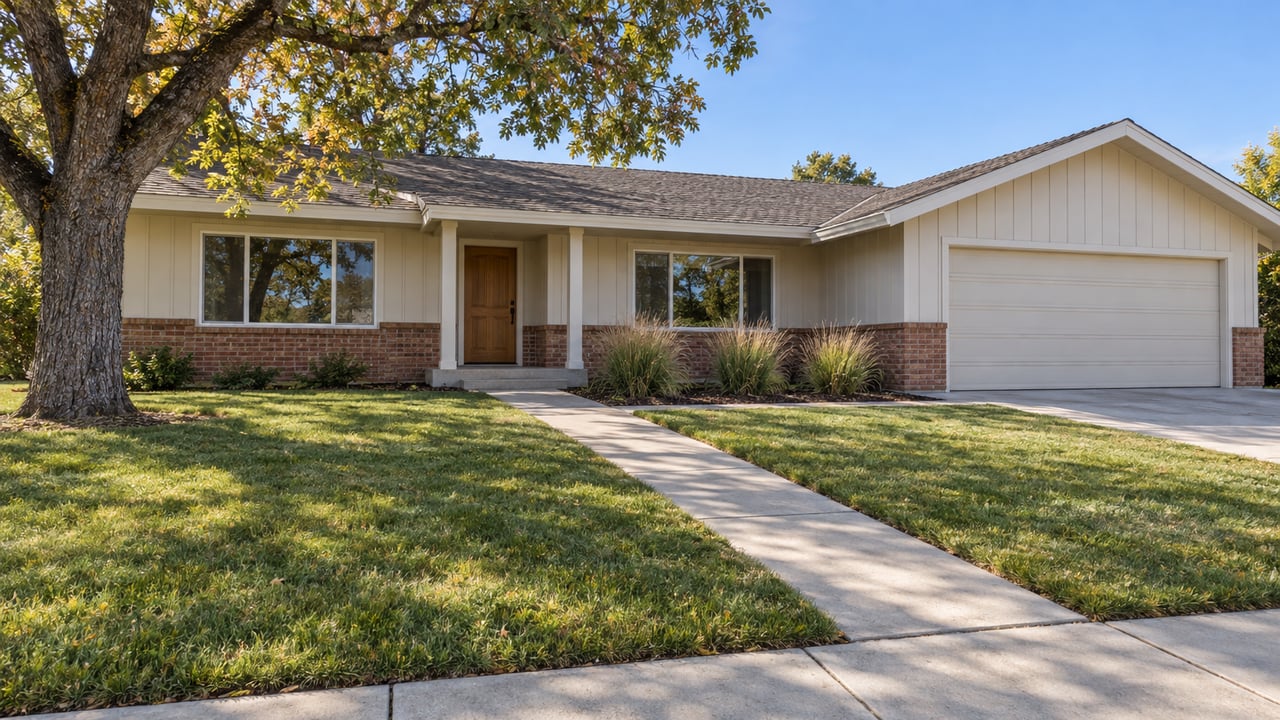
A detached house may be a better fit if privacy and control matter more to you than a lower upfront cost. While homes typically come with a much higher price tag in Concord, they often offer more separation from neighbors and fewer rules tied to shared ownership structures.
You may want to focus on detached homes if you value:
- More privacy
- Yard space
- More day-to-day control over the property
- Fewer shared walls and common spaces
- Greater flexibility in how you use the home
For move-up buyers, or buyers thinking long term, that added autonomy can be worth the higher price. It often comes down to whether you want lower entry cost or more independence.
HOA Costs Matter
If you are comparing condos to houses, do not stop at the purchase price. Your monthly cost for a condo or townhome may include HOA dues, and that can change the affordability picture.
California law allows associations to levy regular and special assessments to meet their obligations. Annual budget reports must also include reserve information, which helps show whether the community is planning well for future repair and replacement costs.
That means a condo that looks affordable at first glance may carry extra monthly costs or future assessment risk. Before you decide, you need the full picture, not just the list price.
Maintenance Is Not Always Simpler
Many buyers assume condo living automatically means fewer maintenance worries. Sometimes that is true, but the details matter.
In California common-interest developments, the owners’ association generally handles repair, replacement, and maintenance of common areas under Civil Code 4775. The owner typically remains responsible for the separate interest and, in many cases, exclusive-use common areas, unless the governing documents say otherwise.
That is why you should never assume who handles the roof, exterior walls, balconies, patios, driveways, or similar features. A careful review of the governing documents can prevent expensive surprises later.
Rules and Shared Governance
Owning a condo or townhome in a common-interest development means more than buying a home. It also means becoming a member of the owners’ association.
The California Department of Real Estate advises buyers to study the governing documents carefully because those documents control rights, remedies, and day-to-day community rules. In practical terms, attached housing usually comes with more neighbor proximity and more community rules than a detached house.
That does not make condo living better or worse. It just means the lifestyle is different, and you should be comfortable with that structure before moving forward.
Future Rental Flexibility
If you think you may want to rent out the property later, this is an important area to review early. Leasing rules can vary from one community to another.
Civil Code 4525 requires disclosure of any leasing prohibition, and Civil Code 4740 limits the ability of associations to impose later-adopted rental bans on existing owners. Even so, you should review the CC&Rs and rental rules before assuming a condo or townhome will work as a future rental.
A detached house may offer more flexibility in this area, but the right answer depends on the specific property and documents. This is one of those details that can have a big impact on your long-term plans.
What to Review Before You Offer
If you are considering a condo or townhome in Concord, ask for the full homeowners association disclosure package before you commit. California law requires substantial disclosure, and those materials can tell you a lot about the health and operation of the community.
Key items to review include:
- CC&Rs
- Bylaws
- Current assessment information
- Annual budget report
- Reserve summary
- Recent board minutes
- Any leasing restrictions
- A clear explanation of what the HOA maintains versus what you maintain
The California Department of Real Estate also notes that common-interest development disclosures may cover utilities, water, roads, soil, geologic conditions, title, zoning, use restrictions, hazards, and financial arrangements. That is one reason condo purchases often require more document review than a standard detached-home purchase.
A Simple Way to Decide
If you feel stuck, start with three questions:
- What monthly payment feels comfortable once HOA dues are included?
- How important are privacy, yard space, and control over the property?
- Do you want a transit-friendly, downtown-adjacent lifestyle or a lower-density setting?
If your top priorities are budget, convenience, and reduced exterior upkeep, a condo or townhome may be the better fit. If privacy, autonomy, and long-term flexibility matter most, a detached house may be worth the higher cost.
In Concord, there is no one-size-fits-all answer. The right choice depends on how you want to live now and what you want your home to do for you in the years ahead.
If you want help weighing the tradeoffs in Concord, the Lupe Kemper Team can help you compare options with clear, local guidance.
FAQs
Should first-time buyers consider condos in Concord?
- Yes. Condos and townhomes can offer a much lower entry price than detached houses in Concord, which may make homeownership more accessible.
What is the main price difference between condos and houses in Concord?
- Bay East’s April 2026 reports showed a median sale price of $380,000 for the attached-market proxy and $803,000 for Concord detached homes.
What should buyers review before buying a Concord condo?
- Buyers should review the CC&Rs, bylaws, assessment information, annual budget report, reserve summary, recent board minutes, leasing restrictions, and the maintenance responsibilities of the HOA versus the owner.
Are condos near downtown Concord good for commuters?
- They can be a strong fit for buyers who value access to downtown, BART, and other transit connections because Concord’s planning framework supports transit-oriented housing in the urban core.
Do Concord condos always mean less maintenance?
- Not always. Some common-area maintenance may be handled by the HOA, but owners may still be responsible for their separate interest and some exclusive-use areas depending on the governing documents.
Is a detached house in Concord better for privacy?
- In many cases, yes. Detached homes usually offer more separation from neighbors and fewer shared spaces or community governance rules than attached homes.