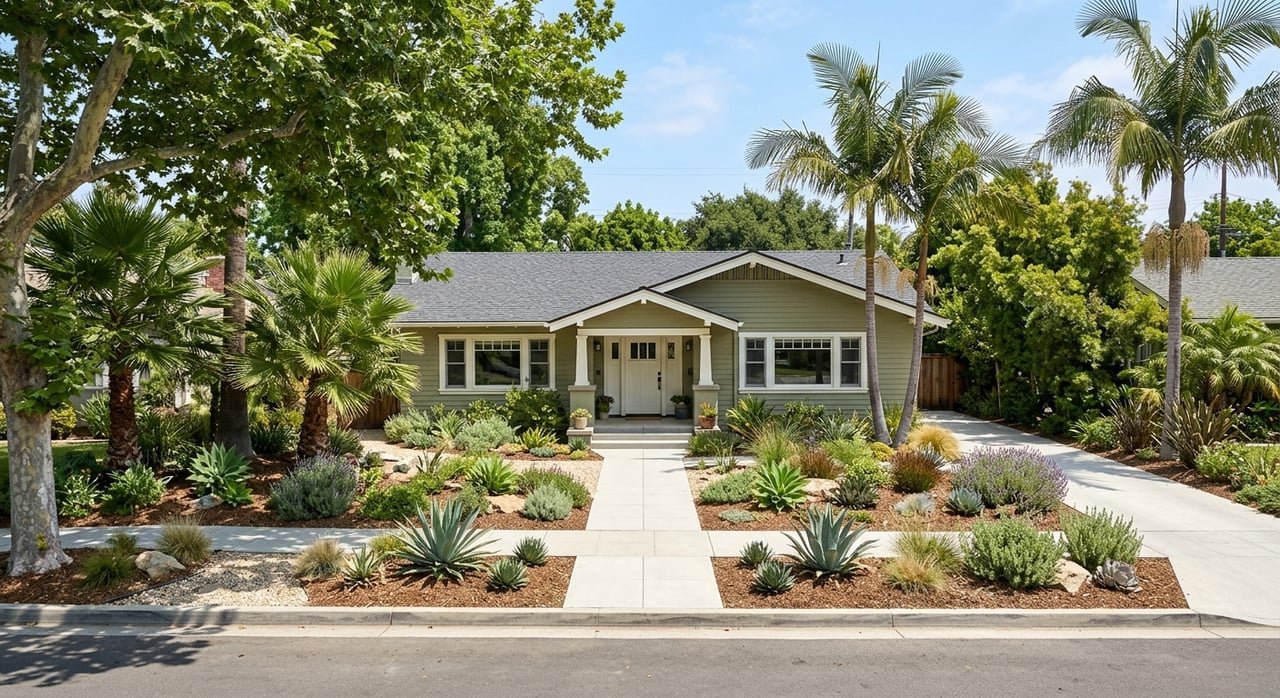
Ever wonder what everyday life in Pleasant Hill actually feels like, beyond a map pin and a home search? If you are thinking about moving to this part of Contra Costa County, you probably want more than square footage and price points. You want to know how the day flows, what errands feel like, and where people spend their time. This guide walks you through a realistic day living in Pleasant Hill so you can picture the rhythm for yourself. Let’s dive in.
Morning Starts With Convenience
Pleasant Hill has the kind of layout that supports a steady, practical routine. The city describes itself as a vibrant East Bay community with an award-winning downtown and a retail business district that helps anchor daily life. With direct access to Interstate 680 and connections toward Highway 24, Oakland, the Bay Bridge, and San Francisco, it is easy to see why location plays such a big role in the city’s appeal.
For many residents, the morning can start close to downtown. The city’s planning documents describe downtown as a clear and organized community gathering place, especially around the Contra Costa Boulevard and Monument Boulevard corridor. That gives the area a natural role in the day, whether you are grabbing breakfast, picking up a coffee, or fitting in a quick errand before work.
Newer additions and familiar local stops help make that routine feel current rather than static. In a 2025 city release, Pleasant Hill noted downtown destinations such as Crumbs Breakfast & Lunch Bar, Paris Baguette, Morgan Territory Brewing, and the upcoming Osaka Marketplace. For you, that means a casual breakfast or pastry stop can be part of normal life without needing to leave the core part of town.
Commuting From Pleasant Hill
If your weekday includes a commute, Pleasant Hill offers several ways to get moving. The Pleasant Hill / Contra Costa Centre BART station serves as an important regional gateway for the area, bringing together BART, bus connections, Highway 680 access, and the Iron Horse trail. Even though the station is located in Walnut Creek, it functions as a key transit hub for Pleasant Hill residents.
That kind of access matters in everyday life. According to the U.S. Census profile, the mean commute time for Pleasant Hill residents is 30.2 minutes. For some people, that means driving. For others, it means combining a short drive, bike ride, or drop-off with transit.
Outdoor Time Fits Into the Day
One of the most appealing parts of living in Pleasant Hill is how easy it is to work outdoor time into an ordinary schedule. You do not need to save it for a full weekend plan. The city’s parks, trails, and recreation spaces make it possible to fit in a walk, jog, playground visit, or bike ride before dinner.
The Iron Horse Regional Trail is a big part of that lifestyle. East Bay Regional Park District describes it as a 26-mile paved trail that connects Pleasant Hill with Walnut Creek, Concord, Danville, Dublin, Pleasanton, and San Ramon. In practical terms, that means the trail can be part of your workout routine, your family time, or even part of a commute.
Pleasant Hill Park is another everyday favorite because it offers a little of everything in one place. The park includes basketball courts, bocce, community gardens, picnic areas, playgrounds, a sprayground, and a pool. If you like having flexible outdoor options nearby, this kind of park can easily become part of your weekly rhythm.
Paso Nogal Park adds a different outdoor feel. It includes a fenced dog park and about 63 acres of scenic hiking trails. For dog owners, walkers, or anyone who wants a quick reset in open space, it is an easy place to imagine returning to again and again.
Recreation Has a Strong Presence
Pleasant Hill’s recreation system adds depth to daily life. The Pleasant Hill Recreation & Park District is separate from the city and provides a wide range of services across the community. Its 2025 fact sheet says the district serves 5,616 acres, maintains more than 275 acres of parks and open space, operates 15 parks and 8 community facilities, and offers more than 2,300 classes, programs, and activities each year.
That reach shows up in small but meaningful ways. Depending on your season of life, your routine might include a preschool program, an aquatics class, a sports league, a teen activity, a senior recreation offering, or a community event at one of the district facilities. The district also operates spaces like the Community Center, Senior Center, Teen Center, and Aquatic Park, which help give the city a more connected, lived-in feel.
Midday Errands Feel Manageable
Pleasant Hill works well for the ordinary middle of the day. This is not just a place where people sleep and leave. The city has an established residential base, and Census data shows that 62.6% of housing units are owner-occupied, which points to a community where many people are invested in day-to-day routines and local familiarity.
That can make a difference if you value convenience. A stop for groceries, a lunch break, a quick shopping run, or meeting a friend downtown can fit naturally into the day. Because the downtown and retail core are part of the city’s identity, daily tasks tend to feel integrated rather than scattered.
Evenings Offer More Than Dinner
Pleasant Hill also has a strong community rhythm after work hours. Yes, you can keep it simple with dinner in the downtown area, but the city and recreation district give you more ways to spend an evening. That can make the city feel active without feeling overwhelming.
The city’s 2026 festivals and events calendar includes the Pleasant Hill Farmers Market at City Hall on Saturdays from 9 a.m. to 1 p.m. starting May 2, the Night Market in May, and Sunset by the Lake concerts every other Sunday beginning May 24. The calendar also highlights events such as Juneteenth at Chilpancingo Park, the Blues and Brews Festival, National Night Out, Bike Family Fest, Community Service Day, and the July 4 Fun Run, Parade, and Fireworks Show.
For you as a future resident, these events help answer an important question: what is there to do once the workday ends? In Pleasant Hill, the answer often includes a concert, a market, a park gathering, or a seasonal event that brings people together in public spaces.
Home Life in an Established Suburb
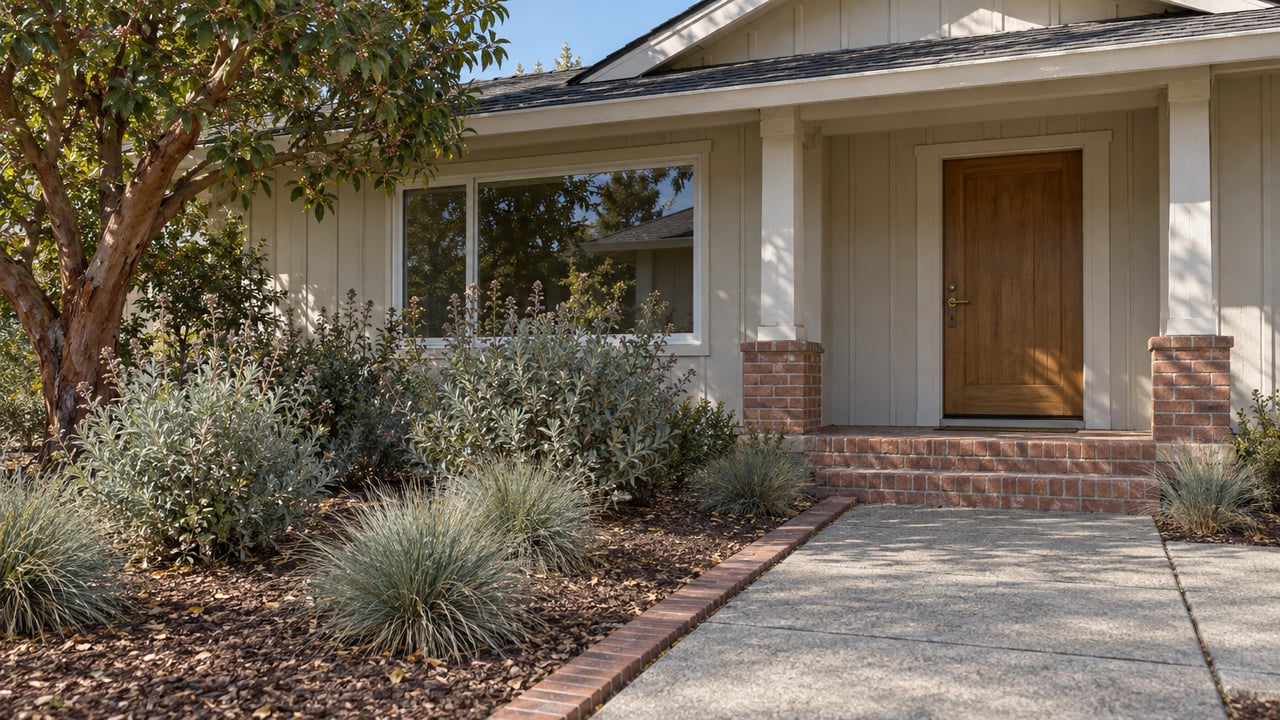
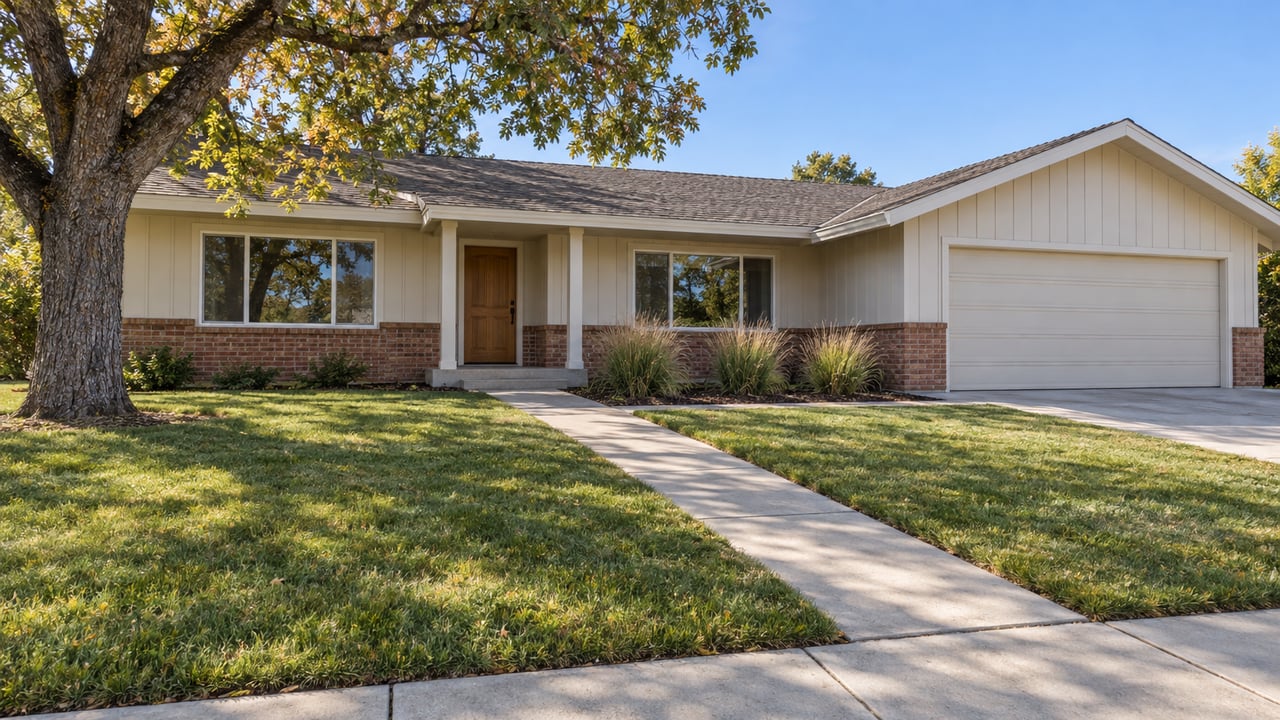
Lifestyle is not only about where you go. It is also about the kind of place you come home to. Pleasant Hill’s housing profile points to an established suburb with a strong ownership base, and the Census estimates the median owner-occupied home value at $1,077,100.
Those numbers do not tell the whole story, but they do provide context. Pleasant Hill is a city where many residents appear to build long-term routines around home, commute, recreation, and community amenities. If you are looking for a place where daily life can feel steady and connected, that profile may stand out.
Why Pleasant Hill Appeals to Buyers
For many buyers, Pleasant Hill hits a useful middle ground. It offers access to regional transportation, a downtown gathering area, trail connections, park space, and recurring community events, all within a city of about 34,017 residents according to the July 1, 2025 Census estimate. That combination can feel approachable if you want convenience without giving up a sense of place.
It can also appeal to different kinds of buyers for different reasons. First-time buyers may like the commute options and daily convenience. Move-up buyers may appreciate the combination of residential stability and nearby amenities. Long-time owners considering a move within Contra Costa County may see Pleasant Hill as a city where the lifestyle is easy to picture and easy to maintain.
If you are comparing communities, Pleasant Hill is worth seeing in person. A day here can include coffee downtown, a walk on the Iron Horse trail, errands in the retail core, time at the park, and an evening event close to home. If that kind of rhythm sounds right for your next move, the Lupe Kemper Team can help you explore Pleasant Hill and other Contra Costa County communities with local insight and personalized guidance.
FAQs
What is daily life like in Pleasant Hill, California?
- Daily life in Pleasant Hill often centers on downtown errands, commuting access, parks, trails, and local events that make routines feel convenient and community-oriented.
Does Pleasant Hill have good commute access?
- Pleasant Hill offers access to Interstate 680, connections toward Highway 24 and San Francisco, and a regional transit hub at the Pleasant Hill / Contra Costa Centre BART station.
What outdoor activities are available in Pleasant Hill?
- Pleasant Hill residents have access to the Iron Horse Regional Trail, Pleasant Hill Park, Paso Nogal Park, and a broad recreation system with parks, facilities, classes, and programs.
Is Pleasant Hill a community-focused city?
- Yes, city events and recreation programming support a strong community feel, with offerings like farmers markets, concerts, seasonal festivals, and public gatherings.
Is Pleasant Hill mostly renters or homeowners?
- According to U.S. Census data cited in the research, 62.6% of Pleasant Hill housing units are owner-occupied.
What is the housing market context in Pleasant Hill?
- Census data in the research report lists the median owner-occupied home value in Pleasant Hill at $1,077,100, reflecting an established East Bay suburban market.