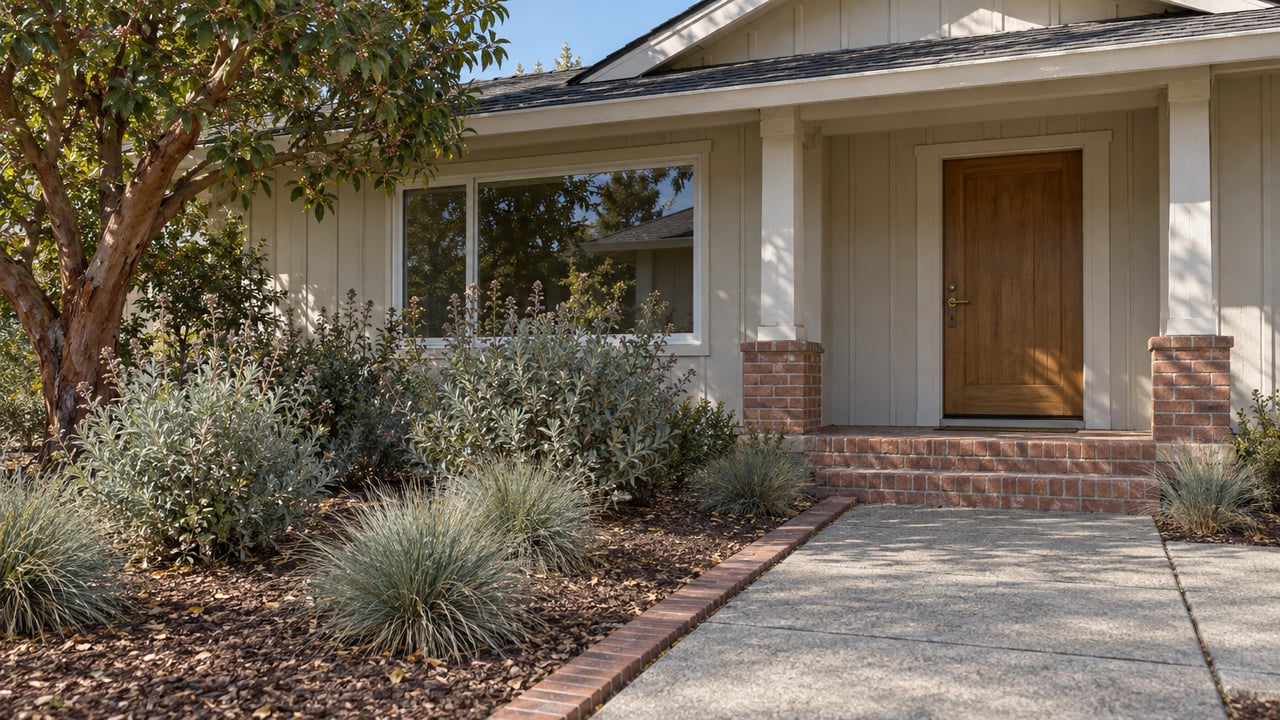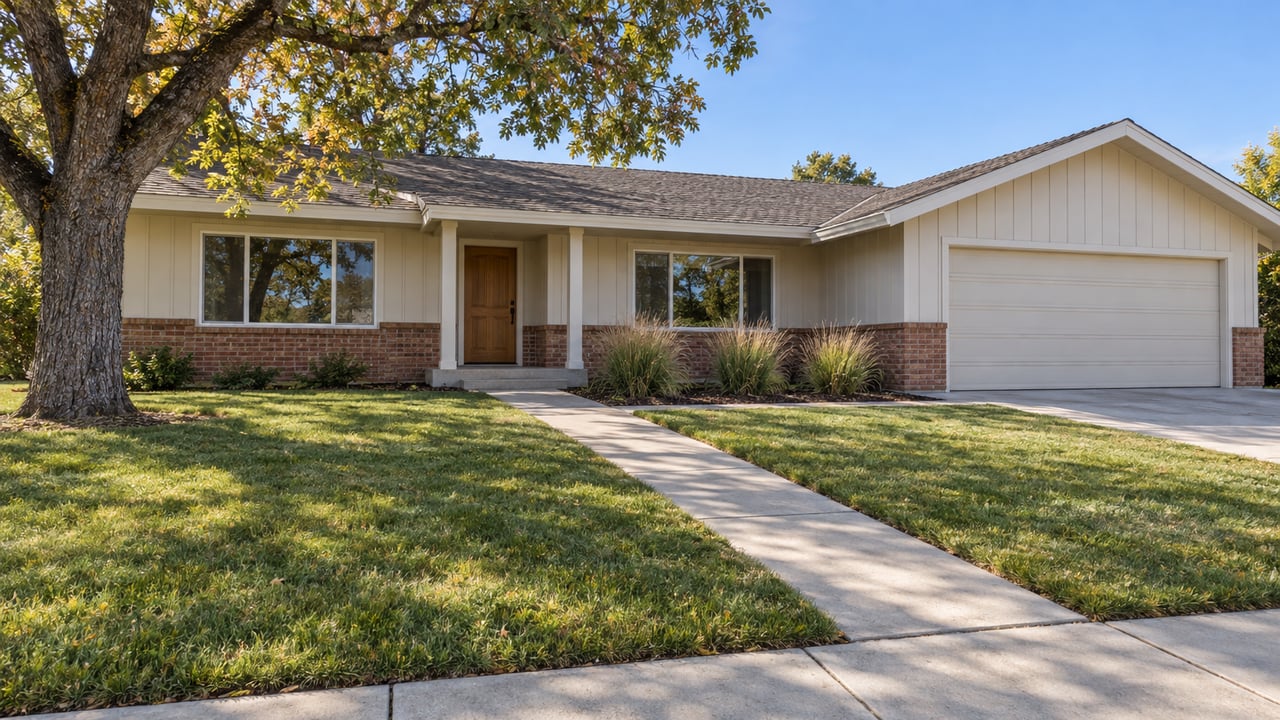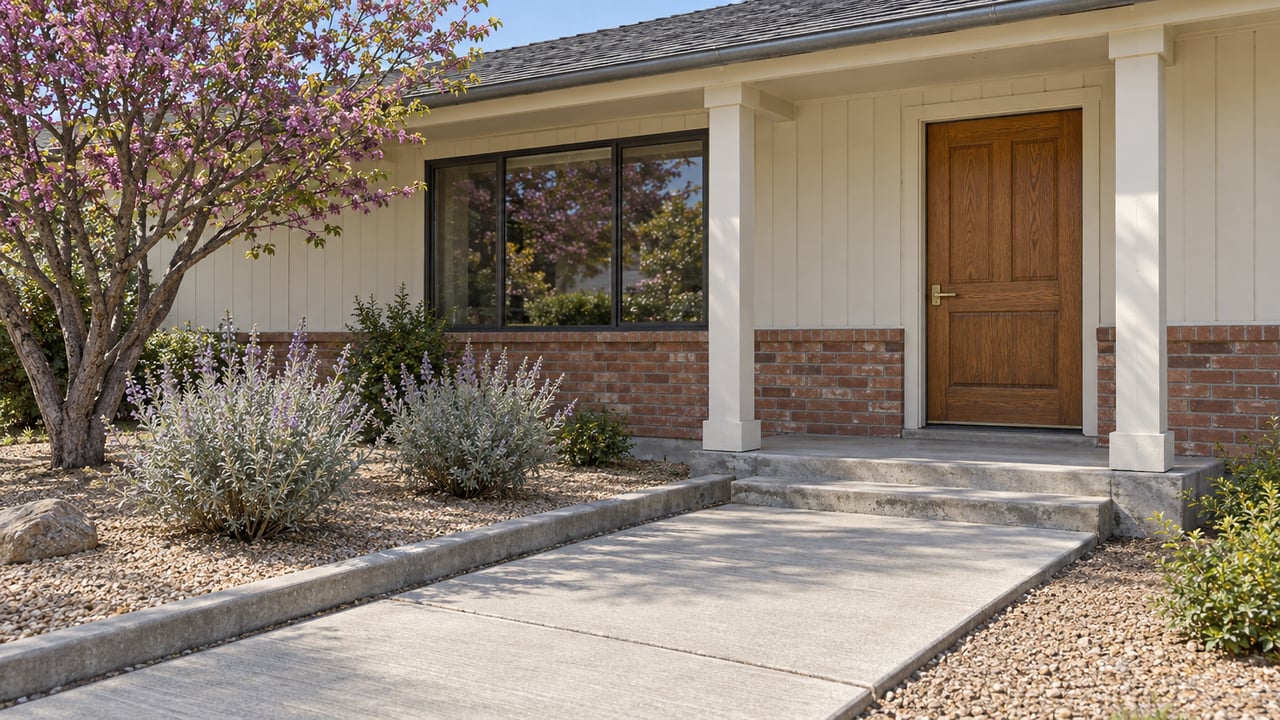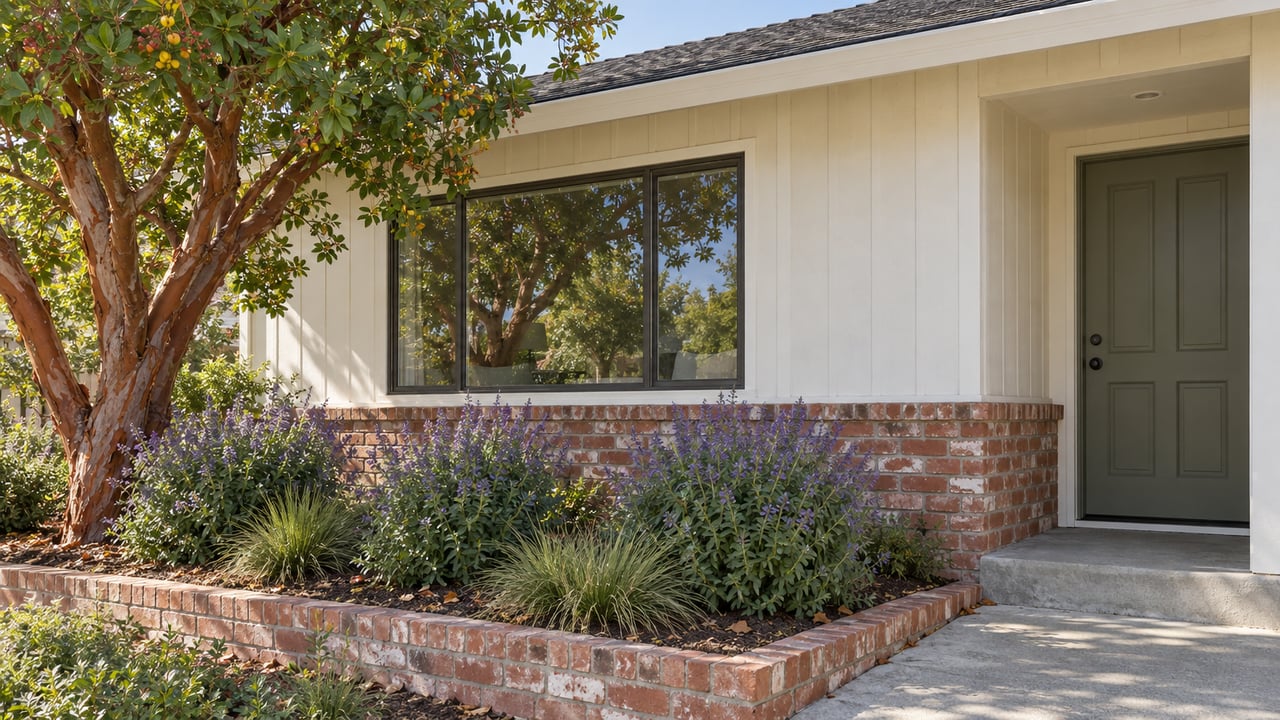
Wondering whether Lafayette feels more like a peaceful hillside retreat or a walkable downtown hub? The answer is yes, and that is exactly what makes buying here so interesting. If you are trying to decide which setting better fits your routine, this guide will help you compare the two clearly and confidently. Let’s dive in.
How Lafayette Supports Two Lifestyles
Lafayette describes itself as a small-town community with a semi-rural feel, oak-studded hills, a vibrant downtown, and its own BART station. The city also emphasizes protection of parklands, trails, hillsides, ridgelines, open space, and creeks. That mix creates two distinct living patterns that many buyers notice right away.
In simple terms, hillside living often leans toward scenery, terrain, privacy, and open-space access. Downtown-adjacent living tends to lean toward pedestrian convenience, transit access, and shorter errand loops. That framework comes from the city’s land use, trail, transit, and parking policies.
Hillside Living in Lafayette
Hillside areas in Lafayette are shaped by topography and by city rules designed to preserve the natural setting. The city’s Hillside Overlay District aims to protect ridgelines and rural residential areas, minimize grading, preserve native vegetation, and reduce visual impacts from lower elevations. The standards also emphasize privacy, views, native landscaping, and emergency vehicle access.
For you as a buyer, that often translates into a home environment that feels more separated from street activity. Access can be more slope-sensitive, and the lot itself may play a bigger role in how you use the property each day. The setting can feel tucked away, but it also calls for a closer look at how the home functions on its site.
What Daily Life Can Feel Like
Lafayette says it has more than 16 miles of hiking trails, borders Briones Regional Park, and includes the Lafayette Reservoir Recreational Area. The city describes the Reservoir Rim Trail as following hillside contours beneath oaks and bay laurels, with a steep final climb. That outdoor context helps explain why many hillside homes feel tied to nature and open space.
If you enjoy views, trail access, and a little more separation, hillside living may feel like a natural fit. Your daily routine may center more on driving, home privacy, and outdoor recreation than on walking to shops or quick errands. That is not true for every property, but it is a useful pattern to keep in mind.
What to Notice When Touring Hillside Homes
When you walk a hillside property, pay attention to how the land affects daily use. A beautiful setting can be a major plus, but the details matter.
- Is the lot steep, gently sloped, or mostly level where you will park and enter?
- How easy is the driveway to use day to day?
- Does the garage layout make arrivals and departures simple?
- How much privacy does the site actually offer?
- What views are visible from the main living spaces and outdoor areas?
- How closely does the home connect to trails or open-space surroundings?
These are practical questions that help you go beyond first impressions. They also reflect the city’s focus on views, landscaping, privacy, and access in hillside areas.
Downtown-Adjacent Living in Lafayette
Downtown-adjacent living follows a different pattern. Lafayette has a Downtown Specific Plan, and the city’s design standards for downtown multi-family and mixed-use projects focus on height, scale, landscaping, parking, circulation, pedestrian access, outdoor space, and creeks. In design review, the city says projects should enhance the pedestrian experience.
That matters because it shapes how downtown feels at street level. In the Plaza District and Downtown Retail District, parking for new structures is required behind the building so street frontage stays pedestrian-oriented. The result is a downtown core designed to support walking, browsing, dining, and everyday convenience.
What Daily Life Can Feel Like
Downtown Lafayette includes recognizable public spaces and community amenities. Lafayette Plaza at Moraga Road and Mount Diablo Boulevard is described by the city as a downtown gathering space used for lunches and civic events. Brook Street Park and Leigh Creekside Park are also in downtown neighborhoods, and Leigh Creekside Park is bordered by the Lafayette-Moraga Regional Trail.
If you want a shorter path to errands, parks, and public gathering spaces, living near downtown may be appealing. It often supports a more compact routine where getting out of the house does not always mean getting in the car. That can be a big quality-of-life factor for buyers who value convenience and activity nearby.
What to Notice When Touring Downtown Homes
Downtown-adjacent homes are often less about slope and more about layout, circulation, and access. As you tour, focus on how easily the property fits your routine.
- Can you comfortably walk to the places you expect to use most?
- How does parking work for your household and guests?
- Is the lot compact, and does that fit your lifestyle?
- How much outdoor space comes with the home?
- Does the location feel connected to downtown amenities and trails?
- How much of your daily routine could happen on foot?
These questions can help you compare convenience in a practical way. They are especially useful in an area where pedestrian design plays a clear role.
Commute, Transit, and Parking Differences
For many buyers, the choice between hillside and downtown comes down to how the week actually works. Lafayette Station is located at 3601 Deer Hill Road on the Antioch to SFIA or Millbrae line, and BART lists County Connection service and station parking as available at all times. That makes transit access an important part of the local conversation.
The city’s walkway system is designed to connect residential areas with public transportation, community amenities, parks, regional trails, and downtown. If you live closer to downtown, your route to transit and errands may feel more direct. If you live in the hills, the tradeoff may be more privacy and scenery, with a routine that depends more on driving.
Parking deserves attention too. Lafayette’s 2026 Downtown Parking Management Study says downtown has adequate overall parking supply, but the main issues are distribution, fragmented management, and wayfinding or rule clarity. The city also notes that meters operate Monday through Saturday from 9:00 a.m. to 6:00 p.m., and some neighborhoods have residential parking permits.
That does not mean downtown parking is a problem everywhere. It does mean buyers should understand the rules and daily patterns before they commit. In hillside settings, parking may be more about driveway design and garage access. Near downtown, it may be more about curb management, meters, and neighborhood parking conditions.
Which Lafayette Setting Fits You Best?
If you are drawn to views, terrain, and quick access to open space, hillside living may be the better fit. You may appreciate a setting that feels more private and more closely tied to Lafayette’s natural landscape. In that case, lot shape, access, and how the home sits on the land should be high on your list.
If you value a shorter walk-to-errand pattern, transit convenience, and access to civic spaces, downtown-adjacent living may make more sense. You may prefer a home that supports a more connected day-to-day routine. In that case, parking rules, pedestrian access, and proximity to downtown destinations deserve extra attention.
Neither option is automatically better. The right fit depends on how you want your home to support your mornings, evenings, weekends, and commute.
A Smart Tour-Day Comparison
If you are comparing both settings in one search, keep your framework simple. Ask yourself which features matter most in real life, not just in photos.
Compare these four things on every tour:
- Whether the lot is slope-driven or compact
- How the driveway and garage work day to day
- How much privacy and view protection the site really offers
- Whether the home depends more on car access or walking access
That side-by-side approach can make your decision much clearer. It also helps you focus on the tradeoffs that are most relevant in Lafayette.
Choosing between hillside and downtown living is really about choosing the rhythm that fits you best. If you want help weighing privacy, access, lot function, and long-term value in Lafayette, the Lupe Kemper Team can help you compare your options with clear, local guidance.
FAQs
What is hillside living like in Lafayette?
- Hillside living in Lafayette often emphasizes views, privacy, natural surroundings, and access to trails or open space, with daily use shaped more by slope, driveways, and lot layout.
What is downtown-adjacent living like in Lafayette?
- Downtown-adjacent living in Lafayette often emphasizes walkability, access to civic spaces, parks, trails, errands, and transit, along with closer attention to parking rules and street access.
How does parking work near downtown Lafayette?
- The city says downtown has adequate overall parking supply, but buyers should pay attention to parking distribution, rule clarity, meters that operate Monday through Saturday from 9:00 a.m. to 6:00 p.m., and any nearby residential permit areas.
How does BART affect living choices in Lafayette?
- Lafayette Station gives buyers a key transit option, so homes closer to downtown may offer a more direct connection to BART and other daily destinations.
What should buyers compare when touring Lafayette homes?
- Buyers should compare whether the lot is slope-driven or compact, how the driveway and garage function, how much privacy and view protection the site offers, and whether the home supports car-based or walking-based daily routines.